
Assessing Your Smart Home Security Needs
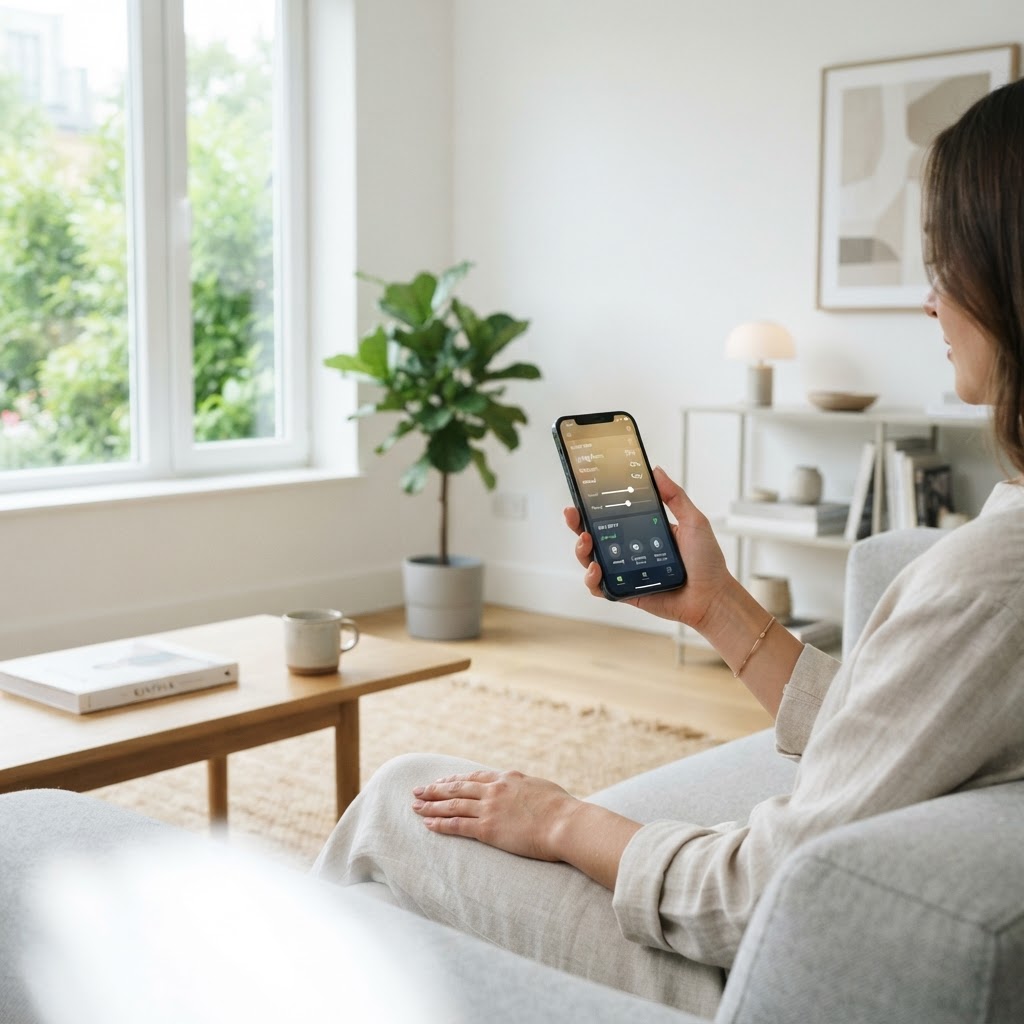
Building a reliable smart home ecosystem begins with identifying your specific security requirements before looking at individual devices. Whether you are aiming to monitor your property with cameras or secure entry points with electronic locks, the goal is to create a cohesive network that operates seamlessly. You can browse various options in our dedicated category hub to understand the breadth of available technology. Before adding items to your cart, evaluate your existing network stability, as most smart devices rely on a consistent wireless connection to function properly.
When researching potential purchases, consider the integration capabilities of each piece of hardware. A common mistake is buying multiple devices from different manufacturers that do not communicate with one another, leading to a fragmented user experience. Look for shared compatibility standards that allow your video doorbells, motion sensors, and central hubs to interact through a single interface. By focusing on interoperability early, you reduce the complexity of managing your home security setup over time.
Evaluating Hardware for Longevity and Performance
Durability is paramount when selecting equipment designed for home protection, especially for devices installed outdoors. Security cameras, such as those found at retailers like OOSSXX, must withstand various weather conditions, including rain, extreme temperatures, and high humidity. When reviewing product specifications, check for ingress protection ratings which indicate how well a device resists dust and water. A high-quality sensor housed in a robust chassis will serve your home for years, whereas lower-grade plastic casings may deteriorate or allow moisture to compromise internal circuits.
Inside the home, focus on sensors and automated controllers. For devices like smart humidifiers or climate monitors, retailers such as AlorairCrawlspace often provide specialized solutions. Consider the power source for your sensors—battery-operated models offer flexibility during installation but require ongoing maintenance, while hardwired devices provide consistent power at the cost of more complex setup procedures. Always read the manufacturer documentation to determine if the device requires a dedicated bridge or hub to function, as these additional components add to the total cost and space requirements of your setup.
Optimizing Your Shopping Strategy
Navigating the vast landscape of smart home technology requires a disciplined approach to spending. Instead of purchasing every new gadget as it enters the market, prioritize devices that address immediate security gaps. Start with critical entry points like doors and windows, then expand your system with secondary tools like motion-activated lighting or smart appliances, which can often be found at stores like Geepas. Keeping your focus narrow allows you to allocate your budget toward higher-quality components that offer better reliability.
When you are ready to complete your purchase, take advantage of modern shopping tools to ensure you are securing the best value. Check our list of active promotional offers to see if you can reduce the overall cost of your high-end security gear. It is also beneficial to keep an eye on current top offers, which often highlight seasonal sales or bundles that pair cameras with hubs or extra sensors. This approach helps you acquire premium equipment while maintaining a balanced budget for future upgrades or system expansions.
Avoiding Common Pitfalls
One of the most frequent errors shoppers make is neglecting the privacy and data security aspects of their connected devices. Before finalizing your order, verify that the brand provides regular firmware updates to patch potential vulnerabilities. Devices that lack support are susceptible to unauthorized access, which defeats the purpose of installing a security system. Always change default administrative passwords immediately upon setting up your new hardware and enable multi-factor authentication whenever possible.
Furthermore, do not overlook the importance of installation ease. If a device requires professional configuration but you prefer a DIY approach, you may find the setup process frustrating and prone to errors. If you are a beginner, look for brands like Zosi (US) that emphasize user-friendly interface design and straightforward installation instructions. By prioritizing systems that fit your technical skill level, you ensure that your security measures are fully functional rather than sitting in a box, unconfigured and ineffective. Taking the time to research these factors ensures that your smart home investment pays off in both enhanced protection and true convenience for your daily routine.
Frequently asked questions
What is the first step when building a smart home security system?
The first step is to assess your specific security needs and evaluate your home's current network capacity. Once you know which areas of your home require monitoring or automated protection, you can begin researching devices that are compatible with each other to ensure a seamless ecosystem.
Are outdoor security cameras susceptible to weather damage?
Yes, outdoor cameras can be damaged by the elements if they are not properly rated. Always check the ingress protection rating of a device before purchase to ensure it is designed to withstand rain, wind, and temperature fluctuations in your climate.
Should I choose battery-operated or hardwired security devices?
Battery-operated devices are easier to install as they do not require wiring, but they do require regular battery changes. Hardwired devices offer constant, reliable power but usually require a more complex installation process, often involving electrical work.
Why is device compatibility important for smart homes?
Compatibility is crucial because it allows different brands and devices to communicate through a single hub or app. A fragmented system is difficult to manage, whereas an integrated one provides a cohesive experience where all sensors and cameras work in unison.
How can I protect my smart home devices from hackers?
You can protect your devices by always changing default passwords immediately after setup and enabling multi-factor authentication. Additionally, ensure you select brands that provide regular firmware updates to patch security vulnerabilities.


