
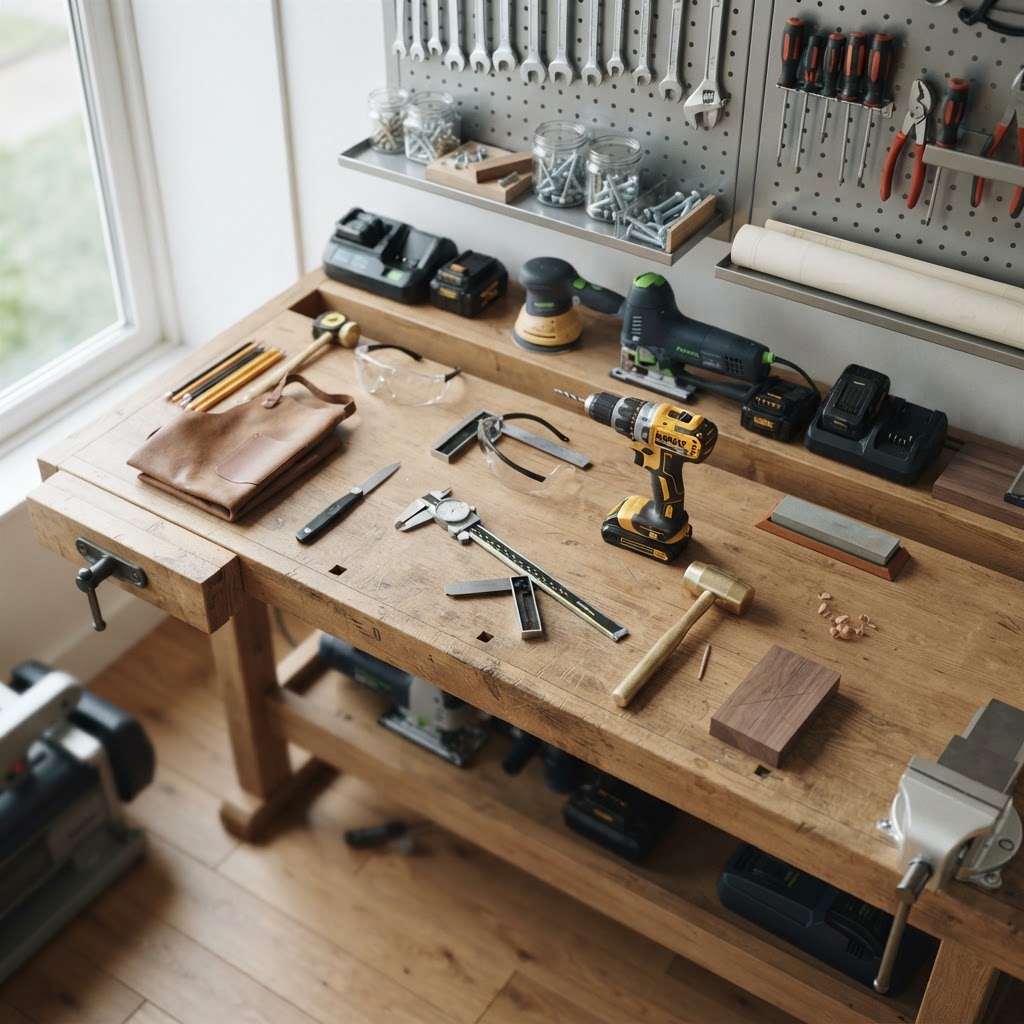
Assessing Your Industrial and Tool Requirements
Building an effective toolkit requires more than just picking up the most expensive item on the shelf. Whether you are stocking a professional workshop or upgrading your residential maintenance supplies, the process of selecting the right industrial tools begins with a clear understanding of your operational needs. Before making a purchase, evaluate the intensity of your usage. Industrial-grade equipment is engineered for continuous duty, while standard hardware is often designed for intermittent household tasks. Misalignment here is the most common cause of premature tool failure and unnecessary expenditure.
Start by auditing your current inventory. Look for gaps in functionality rather than just replacing items that show minor signs of wear. Often, a high-quality hand tool can be restored with proper maintenance, whereas power tools require periodic motor checks and battery calibration. Once you have identified what you truly need, prioritize tools based on their frequency of use. Items that serve as the backbone of your daily workflow deserve a larger portion of your budget, whereas specialty items used once or twice a year can often be sourced from manufacturers that focus on utility over premium material finishes.
Evaluating Quality and Durability Standards
When shopping for equipment such as an Argendon Crawlspace & commercial dehumidifier or heavy-duty power drills, look beyond the outward aesthetic. The primary indicators of quality are the materials used in internal components, such as hardened steel alloys, reinforced synthetic casings, and copper motor windings. A tool's weight can sometimes be an indicator of robust construction, though you should be wary of added weight that serves no functional purpose.
Check for ergonomic design features that enhance safety during prolonged use. Vibration-dampening handles, intuitive control layouts, and clear safety indicators are hallmarks of well-engineered equipment. If you are shopping at vendors like Shenzhen Bomit Technology Co., Ltd., pay attention to the specific technical documentation provided. Transparent specifications regarding torque, power output, and material compatibility are better indicators of performance than marketing claims alone. Always verify that the item meets the necessary industry-standard safety ratings for your specific application, especially when dealing with electrical or high-force equipment.
Strategic Sourcing and Cost Management
Even with high-end industrial gear, there are ways to manage your procurement budget effectively. The most successful shoppers utilize various savings opportunities to stretch their capital across a broader range of necessary assets. Instead of focusing solely on the sticker price, consider the total cost of ownership, which includes potential replacement parts, consumables like drill bits or cleaning solutions, and maintenance accessories. Buying a bundle of high-use items can sometimes provide better value than purchasing components individually, particularly when those bundles align with your immediate project requirements.
Keep a list of your preferred specifications for items you regularly buy. This allows you to jump on market fluctuations or available offers without making impulsive, low-quality purchases. Periodically checking the current listings for new arrivals or seasonal inventory clearances can reveal high-value assets that you might have otherwise overlooked. If you are currently in the planning phase, dedicate time to researching the longevity of different brand lines. A tool that lasts twice as long for a slightly higher initial cost is almost always the more economical choice in the long run.
Essential Best Practices for Tool Maintenance
Purchasing quality equipment is only half the battle. Once you have acquired your tools, the longevity of your investment depends entirely on how you store and maintain them. Environmental factors can be just as damaging as excessive use. High-humidity environments, for instance, can lead to corrosion in both precision hand tools and sensitive electronic control panels on power machinery. Utilizing proper climate control, such as a specialized dehumidifier, can extend the life of your entire workshop significantly.
Develop a recurring maintenance schedule that includes deep cleaning, lubrication of moving parts, and inspection of power cords for fraying or insulation damage. Always store tools in designated spots where they are protected from dust, debris, and impact. Simple organizational systems not only prevent damage but also reduce the time spent searching for the right item during a project. By treating your tool collection as a long-term asset rather than a disposable commodity, you ensure that your workshop remains efficient, safe, and ready for any challenge, no matter the scale.
Frequently asked questions
How do I know if I need industrial-grade tools versus consumer-grade?
Industrial-grade tools are designed for heavy, continuous use and long-term durability. If your projects involve daily, repetitive tasks or require high-precision output, industrial tools are likely the better investment. Consumer-grade options are generally sufficient for light, occasional maintenance work.
What should I look for when comparing power tool specifications?
Focus on metrics like power output (voltage or amperage), torque ratings, and battery efficiency. Ensure the tool's capacity matches the materials you intend to work with most often. Avoid focusing solely on brand name and instead compare the technical data provided in the product description.
How can I keep my metal tools from rusting in a humid garage?
Moisture is the primary enemy of metal tools. Using a dedicated commercial dehumidifier can maintain a stable, lower humidity level in your workshop. Additionally, applying a light coat of machine oil and storing tools in dry, elevated containers can further prevent corrosion.
Is it better to buy tool bundles or individual components?
Bundles are excellent if you are building a new workshop from scratch and need the core essentials. However, if you already have a well-stocked inventory, buying individual components allows you to be more selective about quality and features, ensuring you only pay for what you truly need.
What is the most important factor in tool safety?
The most important factor is using the tool according to its intended purpose and maintaining its safety features. Regularly inspect guards, power cords, and handle grips for damage. Never bypass safety mechanisms, and always wear appropriate personal protective equipment while operating machinery.


