
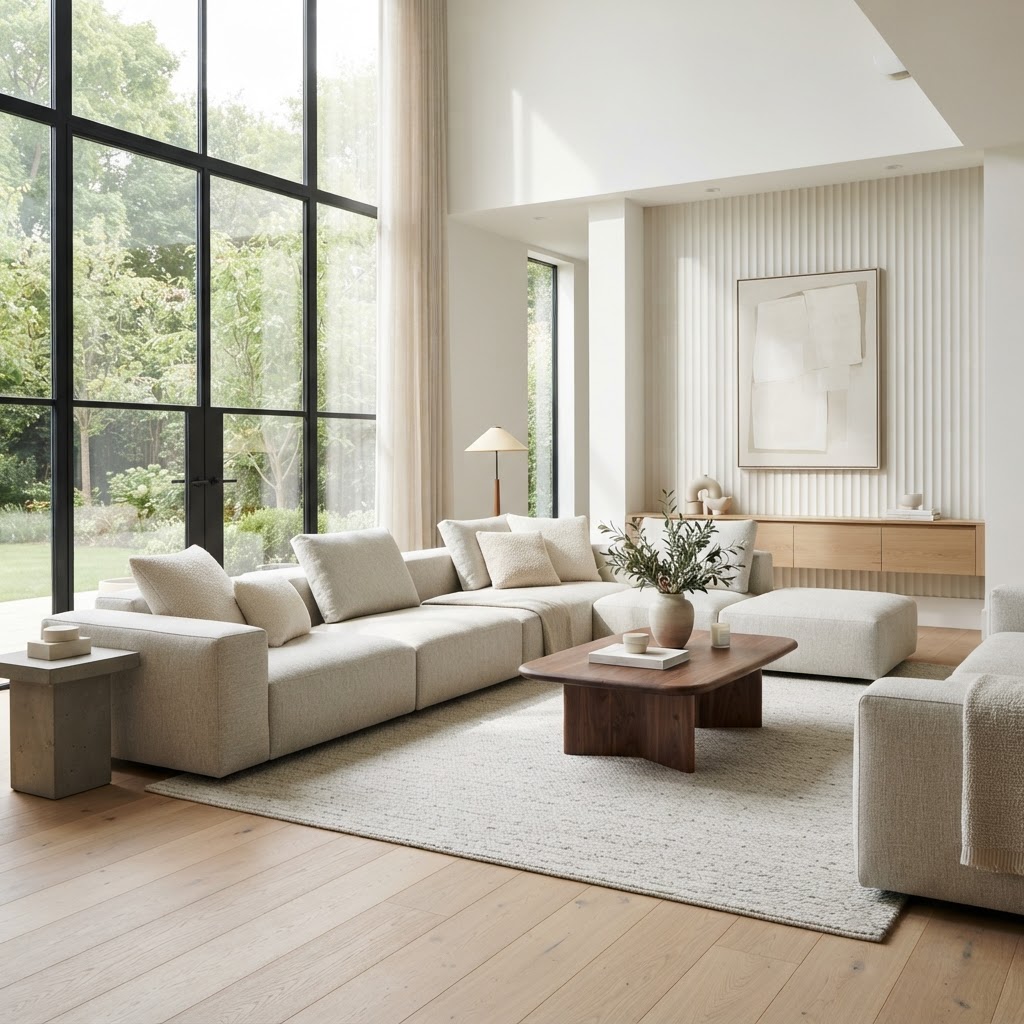
Assessing Your Spatial Requirements
Choosing furniture for your home requires more than just picking a piece that looks aesthetically pleasing. When you prioritize modular pieces, you are investing in flexibility. The first step in your journey is precise measurement. Never rely on visual estimation alone; map out your room on graph paper or use a digital tool to mark your floor space. Consider not just the footprint of a sofa or storage unit, but the flow of traffic around it. You need at least thirty inches of clearance in primary walkways to ensure the room does not feel cramped.
Once you have your dimensions, think about how your living environment changes throughout the year. Modular systems, such as those available at CHIC HOUSE, are designed to adapt. If you frequently host guests or rearrange your furniture for different seasonal activities, a modular design offers the ability to break apart and reconfigure sections into separate seating arrangements. Before buying, check the connection mechanisms. You want pieces that lock together firmly yet release without undue struggle when you decide to change the room layout.
Evaluating Materials and Durability
Once you understand your spatial constraints, you must look closely at the materials. Furniture is an investment, and longevity is a key factor in perceived value. If you have pets or children, stain-resistant fabrics and performance textiles should be your first priority. Look for tightly woven fabrics that resist snagging, and investigate the frame construction. A sturdy frame, typically made from kiln-dried hardwoods or engineered steel, is the backbone of any piece that will be moved or reconfigured often.
When browsing through various furniture accessories, consider how textures and colors influence the mood of the room. A monochromatic, neutral base is the safest route for long-term versatility, as you can easily add personality through cushions, throws, or modular additions that introduce pops of color or different textures. Do not neglect the internal components either. High-density foam or down-alternative cushions provide both comfort and shape retention. If you have specific questions about how your chosen items might fit into your current home aesthetic, visiting a curated collection can provide inspiration on how to pair different pieces successfully.
Strategic Planning for Your Purchase
A common mistake shoppers make is purchasing an entire suite of furniture at once without considering the incremental growth of their space. If you are working with a limited budget or an uncertain floor plan, start with the core components. Modular furniture is excellent for this because it allows you to build your setup over time. You might start with a three-seater piece and add a corner unit or an ottoman later as your needs dictate. By building your collection in stages, you avoid the common trap of over-furnishing a room with pieces that do not work well together.
Before settling on a purchase, explore various available shopping resources to ensure you have a comprehensive view of the market. Comparing options is vital when you are aiming for high-quality items that need to last for years. Keep a running list of the specific dimensions and aesthetic requirements you defined in your planning phase. This prevents emotional or impulse buying, which often leads to furniture that occupies space without providing the desired function.
Finalizing Your Setup
When you finally decide on a configuration, think about the utility of the accessories that accompany it. Modular furniture often comes with integrated features like hidden storage or modular side tables that can be placed between sections. These functional additions help maintain a clutter-free environment, which is especially important in smaller homes or apartments. As you navigate these decisions, remember that your goal is to find pieces that serve your lifestyle rather than the other way around. Whether you are looking for specific modular designs from a retailer like CHIC HOUSE or simply exploring the broader category of home goods, staying focused on your initial space plan will ensure you achieve a cohesive and comfortable home environment. Always take the time to review the technical specifications of your items to ensure you are comfortable with the assembly requirements and maintenance needs, keeping your furniture in top condition for years to come.
Frequently asked questions
What should I measure before buying modular furniture?
You should measure the total floor area, the dimensions of the specific wall the furniture will occupy, and the width of your doorways and hallways. Ensuring the pieces can physically fit through your entry points is just as important as ensuring they fit in your room.
How do I choose between different modular configurations?
Consider your primary usage patterns. If you frequently host guests, a configuration that can be split into smaller seating groups is ideal. If you prioritize lounging, a sectional layout with an attached ottoman or chaise provides the most surface area for relaxation.
How can I ensure my furniture stays clean over time?
Opt for performance fabrics if you have high-traffic areas or pets. Regularly vacuuming between modular cushions prevents debris buildup, and using slipcovers or easily removable upholstery can make deep cleaning much more manageable.
Why is it better to buy modular pieces in stages?
Buying in stages allows you to test how pieces fit in your room before fully committing to a massive set. It also helps manage your budget and allows you to adjust your room layout as your lifestyle or home size changes.
What are the benefits of modular furniture for small spaces?
Modular furniture provides extreme adaptability, allowing you to move pieces around to create more open floor space when needed. Many modular sets also include hidden storage compartments, which are essential for keeping smaller rooms organized and tidy.


