
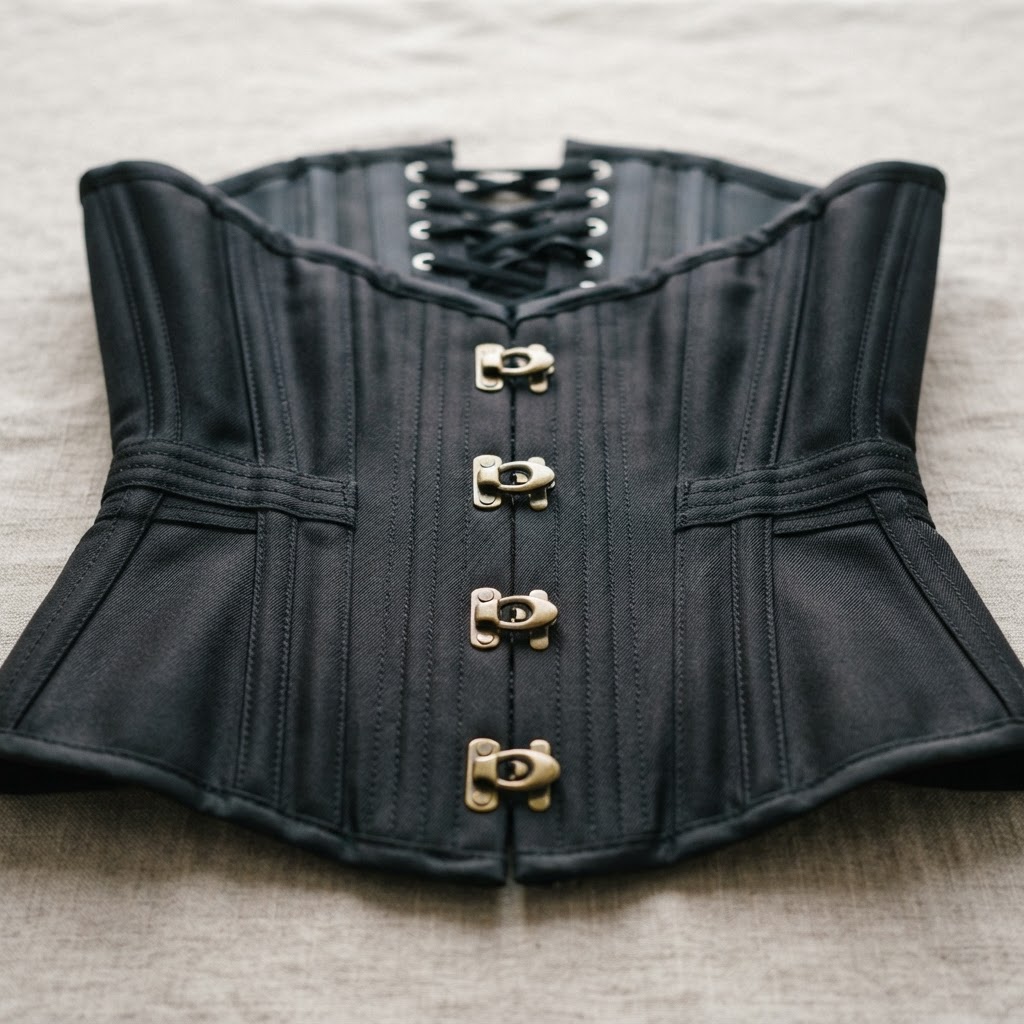
Investing in a high-quality corset is as much about structural engineering as it is about fashion. Whether you are aiming for a classic silhouette or searching for specific waist-training gear, the difference between a garment that lasts and one that falters lies in the details of its construction. When you explore the selection available at ECOM DEAL INC, you will find a variety of designs that prioritize both form and function. Navigating this category requires a discerning eye for fabric, boning types, and sizing accuracy to ensure your purchase provides both comfort and the desired shape.
Evaluating Structural Integrity and Boning
The most important factor in any corset is the support system, which is defined by the boning. For anyone serious about waist training or achieving a structured look, steel boning is the gold standard. Plastic or acrylic boning often loses its shape after minimal wear, whereas spiral and flat steel bones are designed to provide consistent, durable support without snapping or bending out of place.
When examining items within the accessories department, look for descriptions that specify the type of steel used. Spiral steel boning is particularly valuable because it is flexible enough to move with your body while remaining strong enough to offer firm compression. Flat steel bones, usually placed at the front or back, provide the necessary rigidity to maintain the corset's vertical structure. If you are uncertain about the build quality, prioritize listings that explicitly detail the number of bones and their material composition.
Selecting the Right Fabric and Lining
Beyond the internal structure, the outer material and inner lining dictate the longevity of your garment. Heavy-duty cotton or brocade fabrics are ideal for long-term wear because they offer high tensile strength. Avoid fabrics that feel flimsy or overly stretchy, as these will struggle to hold their shape under tension. A quality corset should also feature a substantial lining, which acts as a barrier between your skin and the steel bones, protecting the garment from perspiration and skin oils.
Always verify if the garment is intended for fashion wear or intensive waist training. While featured selections can offer significant style variety, they should still adhere to construction standards that prevent premature fraying. Investing in pieces that use reinforced grommets ensures that the lacing system remains secure, preventing the fabric from tearing at the points of highest tension during tightening.
The Critical Role of Sizing and Measurements
One of the most common mistakes when shopping for structured apparel is relying solely on your standard clothing size. Corsets are sized based on your waist circumference, usually measured a few inches above the navel, and they require a specific reduction to function as intended. Most manufacturers provide a size chart that dictates how much smaller your corset should be compared to your natural waist measurements.
Before you commit to a purchase, take accurate, updated measurements. Do not assume your size has remained static over the last six months. Use a soft measuring tape and measure against bare skin for the most precise results. If you find yourself between sizes, it is generally safer to choose the larger size and adjust the lacing, as you can always tighten a corset, but you cannot expand the fabric if it is too restrictive. Checking current seasonal savings can help you allocate more of your budget toward professional-grade pieces that offer precise sizing options.
Caring for Your Investment
Proper maintenance is essential to getting the most out of your purchase. Because corsets contain metal components, they should never be thrown into a washing machine. Hand washing in cold water with a gentle detergent is the only way to preserve the shape and fabric integrity. After washing, lay the corset flat to dry away from direct sunlight, which can cause fading or degradation of delicate fabrics.
Additionally, rotate your corsets if you wear them frequently. Allowing the fabric to rest between wears helps the material regain its shape and prevents the boning from becoming permanently warped. If you are interested in exploring other high-quality style investments, comparing different retailers can provide insight into craftsmanship standards. For example, looking into the variety of products at 3dmakerpro-global can provide a different perspective on manufacturing precision, though for your fashion needs, sticking to experts in apparel remains the best strategy.
By paying attention to the material, the type of steel, and the fit, you ensure your next corset is a long-term addition to your wardrobe rather than a disposable trend.
Frequently asked questions
What is the primary difference between plastic and steel boning?
Plastic boning is flexible but prone to snapping or bending permanently, making it unsuitable for serious waist training. Steel boning, particularly spiral steel, is designed for durability and consistent support, allowing for repeated use without losing structural integrity.
How do I measure myself correctly for a corset?
Use a soft measuring tape to find your natural waist, which is typically the narrowest point of your torso, usually an inch or two above your belly button. Compare this number to the specific size chart provided by the manufacturer, as corset sizing is not equivalent to standard clothing sizes.
Can I wash a corset in a washing machine?
No, you should never put a corset in a washing machine or dryer. The agitation and heat can damage the fabric, warp the metal bones, and ruin the grommets; always hand wash in cool water and lay it flat to air dry.
How long should I break in a new corset?
A new corset should be seasoned by wearing it for only one to two hours at a time for the first few days. Gradually increase the duration as the fabric begins to conform to your body shape and the bones settle.
Why is a lined corset better than an unlined one?
A lined corset adds an extra layer of fabric that protects the structural integrity of the garment from moisture and skin oils. It also provides a smoother feel against the skin, making it more comfortable for extended periods of wear.


