
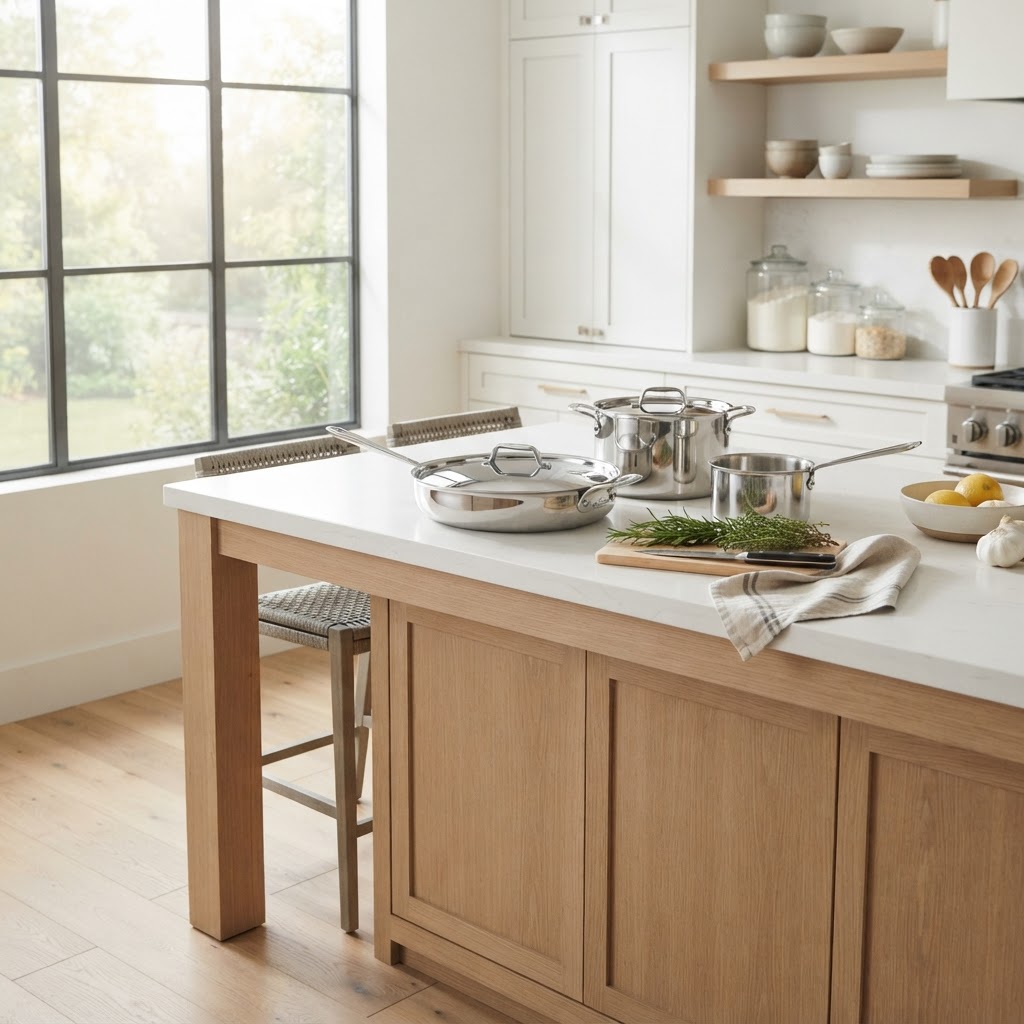
Navigating the Home and Kitchen Landscape
Upgrading your living space requires more than just picking out aesthetically pleasing items. Whether you are replacing worn-out dining essentials or finally investing in specialized outdoor cooking gear, the strategy you employ defines the long-term utility of your purchases. Taking a methodical approach to the home and kitchen department ensures that your budget works as hard as you do, turning everyday chores into more efficient processes.
The most common mistake shoppers make is prioritizing immediate visual appeal over structural integrity or functional longevity. While soft textiles like blackout curtains or plush throws provide instant warmth and comfort, appliances and hardware require deeper scrutiny. Before making a move, map out your needs based on daily usage frequency. A piece of furniture used for nightly dining demands different material standards than a seasonal piece kept in a guest room.
Evaluating Quality Before You Buy
When you begin comparing items across various featured collections, look past the initial price tag. Materials are the primary indicator of performance. In the kitchen, prioritize non-reactive materials like high-grade stainless steel or seasoned cast iron. These materials often outlast cheaper, coated alternatives that degrade after minimal heat exposure. For textiles, check the thread count and fiber composition; natural fibers like linen or heavy-duty cotton generally hold up better under consistent washing than synthetic blends.
If you are exploring outdoor culinary equipment, pay close attention to the BTU output of gas units or the insulation thickness of wood-fired ovens. These technical specifications directly dictate the consistency of your results. A robust build usually entails heavier gauge steel, which translates to better heat retention and more predictable cooking times. Never assume that a higher price guarantees quality; instead, verify the construction details against your specific culinary ambitions.
The Strategic Procurement Approach
Optimization is the hallmark of a smart shopper. Before finalizing any transaction, ensure you are leveraging every available tool to verify the value proposition of the item. This goes beyond just looking for a markdown. It involves understanding the lifecycle of the product. Ask yourself: is this item modular? Can parts be easily replaced if they fail? Items that offer modularity—such as fire pits with removable components or grills with swappable grates—are inherently more valuable because they can be maintained rather than replaced.
To maintain an organized home, group your purchases by necessity level. Essentials like cookware and basic furniture should take priority in your allocation of funds. Consider keeping a running list of items you need to replace, and consult our latest discount opportunities to see if your required items are currently supported by promotional offers. This prevents impulse buying and ensures that when you do make a purchase, you are doing so from a position of financial planning rather than reactive necessity.
Common Pitfalls in Home Styling
One frequent error is failing to measure physical space accurately. Even a high-performance appliance will fail to add value if it impedes your kitchen workflow. Always account for door swings, clearance for vents, and the ergonomics of reach. Similarly, when choosing soft goods, consider the light exposure of the room. A beautiful fabric may look different in your living room lighting compared to a studio photograph, so take a moment to consider texture and tone in situ.
Additionally, avoid the trap of over-accessorizing. A clutter-free space is often more functional than one filled with many small, low-utility decorative pieces. Focus your efforts on high-impact upgrades—like updating tired window treatments or investing in a reliable, versatile grill—rather than spreading your budget too thin across multiple minor items that don't solve a specific problem. By concentrating your investment on a few well-chosen upgrades, you create a more cohesive and efficient environment that genuinely enhances your daily routine without creating excessive upkeep or visual noise.
Ultimately, a successful home update is measured by the improvement in your quality of life. By focusing on durable materials, functional design, and strategic shopping habits, you can build a living space that feels both curated and practical. Whether you are prepping for a summer of outdoor entertaining or simply refreshing your indoor aesthetic, patience and research are your greatest assets in securing the best home and kitchen additions for your lifestyle.
Frequently asked questions
What is the most important factor when choosing kitchen appliances?
Material quality and build integrity are the most critical factors. Look for high-grade metals that resist heat deformation and check if the unit offers modular parts that can be repaired or replaced easily.
How can I ensure I am getting the best value for my home goods?
Avoid impulse shopping by maintaining a list of specific needs rather than wants. Compare the technical specifications of items across different retailers and check for active promotional codes to lower your total out-of-pocket costs.
Should I prioritize aesthetics or functionality when buying furniture?
Functionality should always come first, especially for pieces used daily. Once you have narrowed down options based on durability, ergonomics, and size requirements, you can then select the style that best fits your interior decor.
How often should I update my home textiles?
Textiles like curtains or throws should be replaced when they no longer serve their purpose, such as loss of opacity in blackout curtains or frayed edges on throws. This usually happens every few years depending on material quality and care.
What is the best way to avoid clutter when buying new home decor?
Adopt a 'one-in, one-out' rule or focus on high-impact items that provide significant utility or comfort. Avoid purchasing many small, low-function decorative objects that do not serve a specific purpose in your daily routine.


