
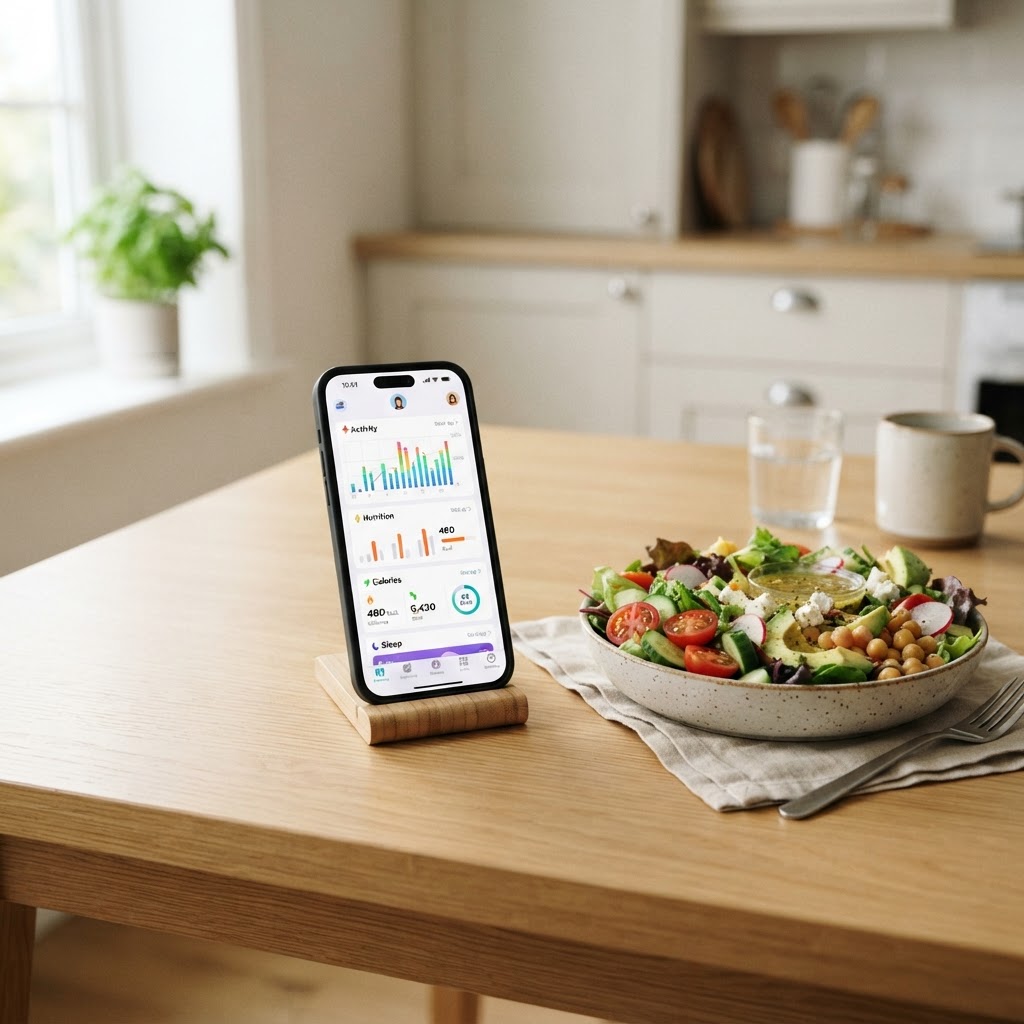
Achieving consistent nutritional goals often feels like a full-time job. Manual logging, guessing portion sizes, and searching through fragmented databases can quickly turn a healthy habit into a chore. Technology has introduced a new wave of tools designed to remove this friction, making the process of monitoring intake far more intuitive. For those seeking a centralized solution, platforms like Nutrinixy - AI Calorie Tracker provide a streamlined interface that leverages artificial intelligence to handle the heavy lifting of data entry and analysis.
The Evolution of Nutritional Monitoring
In the past, tracking your intake required a notebook, a kitchen scale, and significant patience. Today, the shift toward wearable devices and smart software has transformed this process. By using advanced image recognition and expansive food databases, modern apps allow users to spend less time typing and more time focusing on their well-being. When evaluating tools within the watches & wearable technology space, it is important to prioritize platforms that offer high-speed logging capabilities, such as photo recognition, barcode scanning, and voice input, which help maintain accuracy without demanding hours of daily attention.
When you begin researching these tools, look for those that emphasize sustainability. The best digital partners are those that integrate seamlessly into your existing routine. If a tool feels like an obstacle, the likelihood of long-term usage drops significantly. Instead, search for systems that offer automated features that reduce the human margin for error when estimating calories or macronutrients.
Selecting the Right Tracking Ecosystem
Before committing to a specific application or service, define what your primary goals are. Are you focusing on weight management, sports performance, or simply understanding your daily dietary patterns? Your answer will determine the level of complexity you need. Some users thrive on granular data and detailed charts, while others prefer a "set it and forget it" approach. Platforms like Nutrinixy - AI Calorie Tracker are built to cater to those who value both precision and speed, offering features that simplify meal logging across diverse dietary needs.
Consider how the software handles your data. Does it offer a vast repository of food items? Consistency is key to accurate tracking, and a database containing millions of entries helps ensure you are not constantly having to input custom data manually. Always cross-reference the features offered against your specific lifestyle requirements. Before making a final decision, you can browse current marketplace offerings to see if your preferred service provides any introductory or seasonal value that aligns with your purchase timeline.
Common Pitfalls in Digital Tracking
Even with advanced AI tools, users often encounter common hurdles that can skew results. One frequent mistake is inconsistent logging. If you track breakfast and lunch with extreme precision but skip dinner because it is too complex to log, your weekly averages will be inaccurate. The key is to find a tool that makes logging fast enough to stay consistent through every single meal. If you struggle with the technical side, it may be helpful to look through curated deal collections to find tools that offer simplified user interfaces that reduce the burden of manual input.
Another common error is failing to account for beverages and cooking oils. While these may seem minor, they add up quickly. A high-quality AI tracker should include features for quickly identifying common additives or multi-ingredient meals. If you find your tracking efforts aren't producing the clarity you expect, check whether your current software is capturing these smaller, yet significant, caloric contributors.
Integrating Technology into Your Daily Routine
The most effective way to utilize these tools is to build a habit of logging immediately. Waiting until the end of the day often leads to memory gaps and inaccurate recording. Use the features inherent to modern software—like push notifications or voice-to-text logging—to record your meals as they happen. If you have been searching for ways to optimize your routine, you might also be interested in a strategic approach to finding discounts on the hardware or software subscriptions that support your health journey.
Ultimately, technology is a support system, not a replacement for mindful eating. The goal is to gain insights that allow you to make better choices over time. By leveraging tools that offer comprehensive databases and rapid entry methods, you can gain a clearer picture of your health without the administrative headache. Keep your objectives focused, remain consistent, and choose software that adapts to your life, rather than forcing your life to adapt to the software.
Frequently asked questions
How does AI technology improve the accuracy of calorie tracking?
AI technology reduces manual errors by using image recognition and extensive databases to identify food items automatically. This minimizes the need for users to guess portion sizes or manually input complex nutritional data.
Is it necessary to log every single ingredient to get useful results?
While detail is helpful, the most important aspect of tracking is consistency. Modern tools allow you to use barcode scanning or photo uploads to quickly capture meal data without needing to enter every ingredient individually.
What should I look for when comparing different calorie tracking apps?
Prioritize tools that feature a large, verified food database and multiple input methods like voice commands and photo scanning. The interface should be intuitive enough that it does not become a burden to use daily.
Can I use calorie tracking tools if I have specific dietary restrictions?
Yes, many modern tracking platforms allow you to filter by dietary needs, such as gluten-free, vegan, or low-carb. These settings help customize the data provided so that it aligns with your specific health objectives.
How often should I review my tracking data to make progress?
It is often best to look at your data on a weekly basis rather than daily. Weekly trends provide a much more accurate view of your nutritional habits, allowing you to make sustainable adjustments rather than reacting to minor daily fluctuations.


