
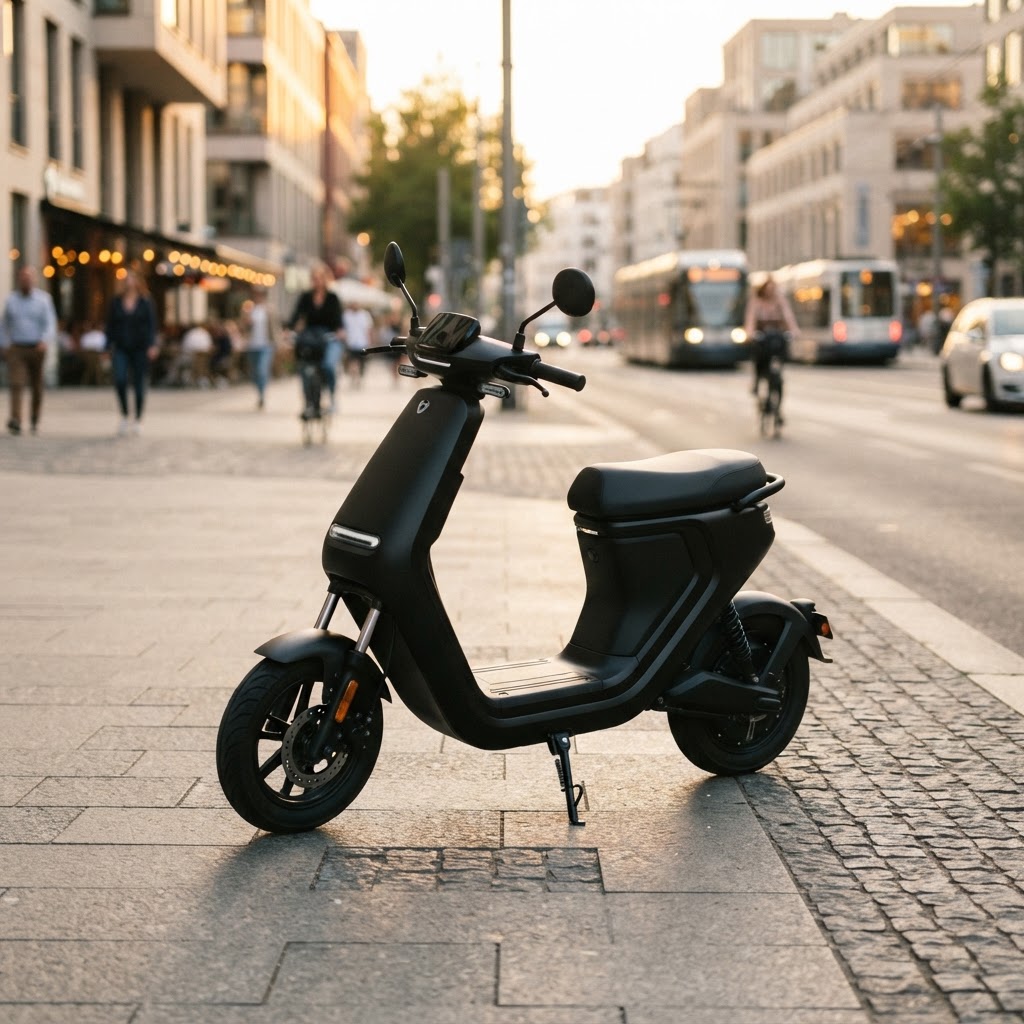
Choosing an electric scooter for your daily commute involves balancing technical performance with the practical realities of urban travel. Before you commit to a specific model, you need to understand how different specifications will impact your experience, whether you are navigating dense traffic or covering longer distances on flat terrain. Retailers such as CUNFON provide options that focus on green innovation and efficient travel, but your responsibility is to match these features to your specific physical needs and local infrastructure.
Evaluating Motor Power and Terrain Requirements
The motor is the heart of your electric scooter. Measured in watts, the motor power determines how easily your scooter can handle inclines and how quickly it reaches top speed. If your daily route involves steep hills, you should prioritize a motor with a higher wattage rating. Do not fall into the trap of only looking at top speed; peak torque is often more important for a functional commute. For flat urban environments, a standard motor will suffice, but always look for specifications that account for your total rider weight. You can compare various models by checking the latest featured selections to see how different brands categorize their motor efficiency.
The Role of Battery Range and Charging
Range anxiety is a common challenge for new scooter owners. Most manufacturers list a maximum range, but this number is typically based on ideal conditions—a flat surface, a light rider, and moderate speeds. In real-world settings, wind resistance, traffic stops, and temperature fluctuations will reduce your actual range. Check if the battery is removable, which is a game-changer if you live in a building where you cannot easily haul your entire scooter to a charging station. When you shop for inventory at CUNFON, look closely at the expected battery lifespan and how many charge cycles are projected, as this will dictate your long-term cost of ownership.
Portability and Storage Considerations
Unless you have a secure parking space at your office and home, you will likely need to carry or store your scooter indoors. This makes weight a critical factor. An electric scooter that weighs over forty pounds becomes difficult to maneuver up staircases or carry onto public transit. Before purchasing, verify the folding mechanism. Does it collapse into a tight profile? Can it lock in the folded position for easier lifting? If you are a beginner looking to understand which features offer the best value, checking current verified offers can help you see which models are being highlighted for their user-friendly designs.
Braking Systems and Safety Features
Never prioritize speed over stopping power. Safety features like regenerative braking, mechanical disc brakes, or drum brakes define how quickly you can react to traffic. Regenerative braking is particularly useful as it feeds a small amount of energy back into the battery while helping you slow down, though it should not be your primary stopping method. Always ensure the model you select includes high-visibility lighting, including a bright headlight and a rear brake light. If you are also setting up your home or office space for convenience, you might find utility in other specialized equipment, such as when you look for the right lighting fixtures to ensure your gear is stored in a well-lit, accessible environment.
Common Mistakes When Selecting Your First Scooter
One of the biggest mistakes shoppers make is ignoring the tire type. Pneumatic tires offer a much smoother ride by absorbing vibrations from cracks and uneven pavement, but they require regular pressure checks and are susceptible to punctures. Solid tires are maintenance-free but provide a harsher ride. Think about the quality of the roads you traverse most often. If your path consists of gravel, older asphalt, or frequent bumps, choose pneumatic tires for the sake of your joints and the integrity of the scooter frame.
Finally, consider the ecosystem of the brand. Are replacement parts like tubes, brake pads, and fenders readily available? A great product is only as good as your ability to maintain it over time. Before making a final decision, verify if the retailer provides detailed documentation or a clear path for finding compatible accessories. By taking the time to assess your specific route, storage limits, and maintenance tolerance, you move beyond just buying a gadget and instead invest in a reliable, daily transportation tool.
Frequently asked questions
How do I know what motor wattage I need?
If your commute includes steep hills, look for higher wattage motors to provide sufficient torque. For flat city streets, a standard motor is usually adequate to maintain a consistent pace without needing excessive power.
Why does the actual range differ from the manufacturer’s claim?
Manufacturer range estimates often assume ideal conditions like flat, smooth roads and low rider weight. Real-world factors such as headwind, frequent stopping, and temperature can significantly decrease the distance you can cover on a single charge.
Is a heavier scooter always better?
Not necessarily. While a heavier scooter might feel more stable, it can become a burden if you need to carry it up stairs or onto public transport. Choose the lightest model that still meets your power and range requirements.
Should I choose pneumatic or solid tires?
Pneumatic tires provide better shock absorption and a smoother ride on uneven surfaces but require maintenance and are prone to flats. Solid tires are maintenance-free but offer a stiffer ride with less vibration dampening.
How can I maintain my electric scooter for longevity?
Regularly check tire pressure, keep the battery charged according to the manual's recommendations, and ensure the folding mechanism is tight. Periodic inspections of the braking system are also essential for safety.


