
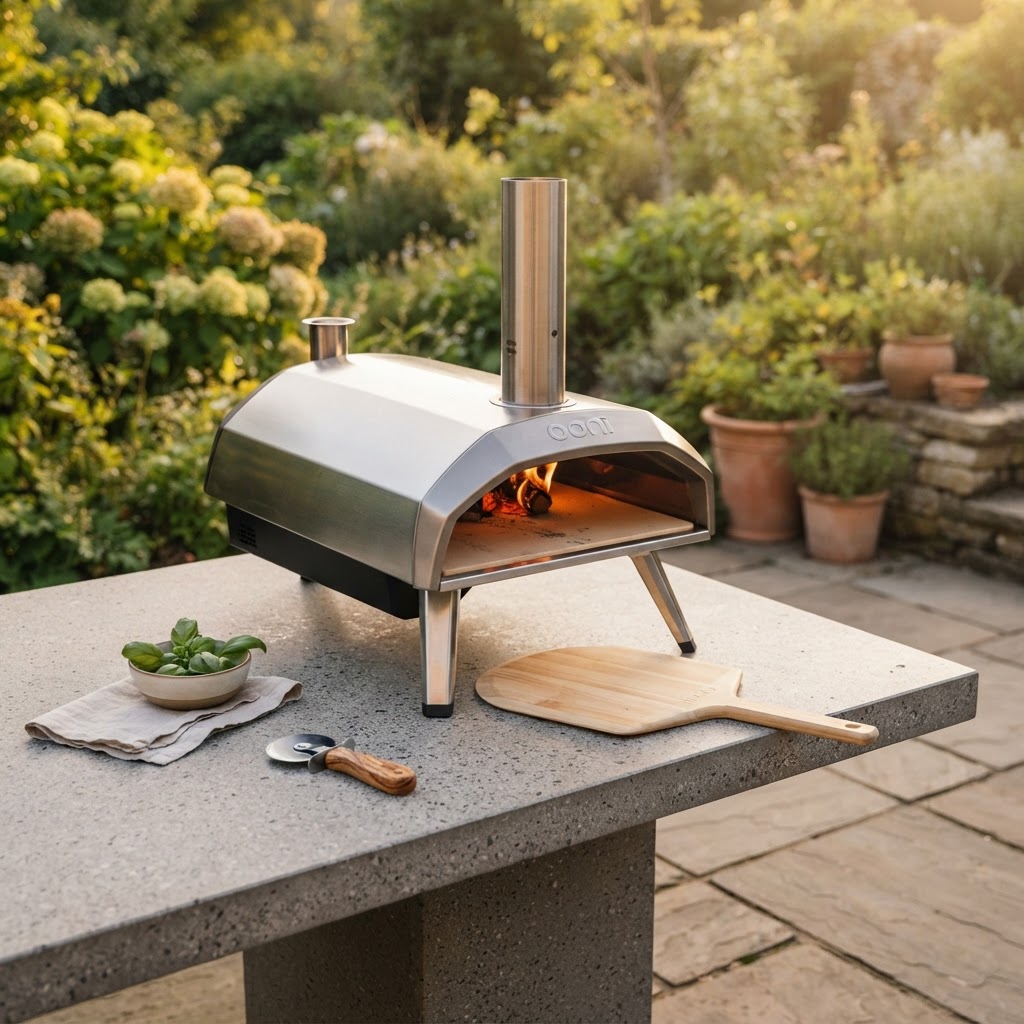
Elevating Your Backyard Kitchen
Transforming your patio into a functional culinary space requires more than just an open flame. Whether you are aiming to master artisan pizzas or perfect the sear on a steak, the quality of your home and kitchen gear is the most critical factor in your success. Investing in durable equipment ensures that your outdoor cooking area remains a centerpiece for entertainment rather than a source of frustration. Before you commit to a specific setup, take a moment to evaluate your space and the specific cooking styles you intend to prioritize.
When exploring options, retailers like Big Horn Outdoors offer a variety of specialized units designed to handle everything from high-heat baking to slow-roasting. However, the sheer number of choices can be overwhelming. The secret to a successful purchase lies in matching the unit's capacity and fuel type to your actual cooking habits rather than buying for the largest or most expensive model available.
Evaluating Fuel Sources and Heat Control
One of the first decisions you must make is selecting between gas, wood, or hybrid fuel systems. Gas-powered units are often preferred for their convenience and precise temperature management, making them ideal for beginners who want to minimize the learning curve associated with managing an open flame. Conversely, wood-pellet or wood-fired units provide an authentic smoke flavor and intense heat that many enthusiasts consider essential for true artisan baking.
If you are indecisive, consider hybrid options that allow for dual-fuel usage. This flexibility is particularly useful for those who want to experiment with different flavor profiles while maintaining the ability to switch to gas when time is limited. Always check the thermal insulation capabilities of the unit's shell. A well-insulated oven retains heat more efficiently, allowing for lower fuel consumption and faster recovery times between bakes. You can find many of these top-tier models listed in current marketplaces to compare their technical specifications side-by-side.
Space Planning and Portability
Before finalizing your choice, accurately measure your designated cooking area. It is common for shoppers to underestimate the footprint of a grill or oven, failing to account for the necessary clearance needed for safe operation. A unit should never be pushed flush against a flammable wall or structure. Ensure you have at least three feet of buffer zone on all sides for ventilation and safety. For those with limited space, consider portable units that can be stored away when not in use.
Portability is a major factor if your patio setup changes often. If you intend to take your cooking equipment on camping trips or move it between different areas of the yard, look for lightweight, stainless steel constructions with folding legs. If your equipment stays stationary, focus on weight and stability, as heavier units often utilize higher-grade materials that withstand weather conditions better over long-term exposure. As you weigh these factors, remember that you can always look for active offers to make high-quality, long-lasting units more accessible for your budget.
Maintenance and Long-Term Durability
The lifespan of your equipment is directly tied to how well you maintain it. Stainless steel requires specific care to prevent corrosion, especially in humid or coastal climates. Always invest in a high-quality cover that is tailored to the dimensions of your unit. This simple step prevents moisture buildup and debris accumulation, which are the primary causes of ignition issues and structural degradation. After each use, inspect the burner tubes or heating elements for blockages, and ensure that ash or grease is cleared out to maintain optimal airflow.
Avoid the mistake of buying complex systems that you aren't prepared to clean regularly. If you find a unit that is difficult to disassemble, it will likely collect grime, leading to uneven heat distribution and poor results. For those looking to upgrade their current setup, browsing resources like our general shopping guides provides a broader framework for evaluating quality, regardless of the product category you are shopping in. A little bit of research into the materials—such as the thickness of the steel and the quality of the temperature gauge—will save you from having to replace your equipment in a few seasons. Always prioritize construction quality over bells and whistles that don't contribute to the actual cooking performance.
Frequently asked questions
How do I know which fuel type is right for my cooking style?
Choose gas if you prioritize convenience and consistent, easy-to-control temperatures. Select wood or pellet options if you prefer the authentic smoky flavor and are comfortable managing the fire for specific results.
What is the most important measurement to take before buying an outdoor oven?
Measure your available surface area and factor in a minimum of three feet of clearance on all sides. This space is essential for safety, proper ventilation, and the physical room needed to move around the unit while cooking.
Should I choose a portable or stationary cooking unit?
Choose a portable unit if you plan to move the equipment often or store it in a shed during winter months. A stationary, heavier unit is generally better if you have a dedicated permanent outdoor kitchen area and want maximum durability.
How can I prevent rust on my stainless steel outdoor grill?
Always use a waterproof cover when the unit is not in use to protect it from moisture and debris. Additionally, cleaning the surface periodically with a soft cloth and non-abrasive cleaner will help maintain the protective finish.
Why is insulation important in a pizza oven?
Effective insulation keeps the heat concentrated inside the cooking chamber. This leads to faster preheating times, more consistent baking temperatures, and better fuel efficiency, which is crucial for achieving professional results.


