
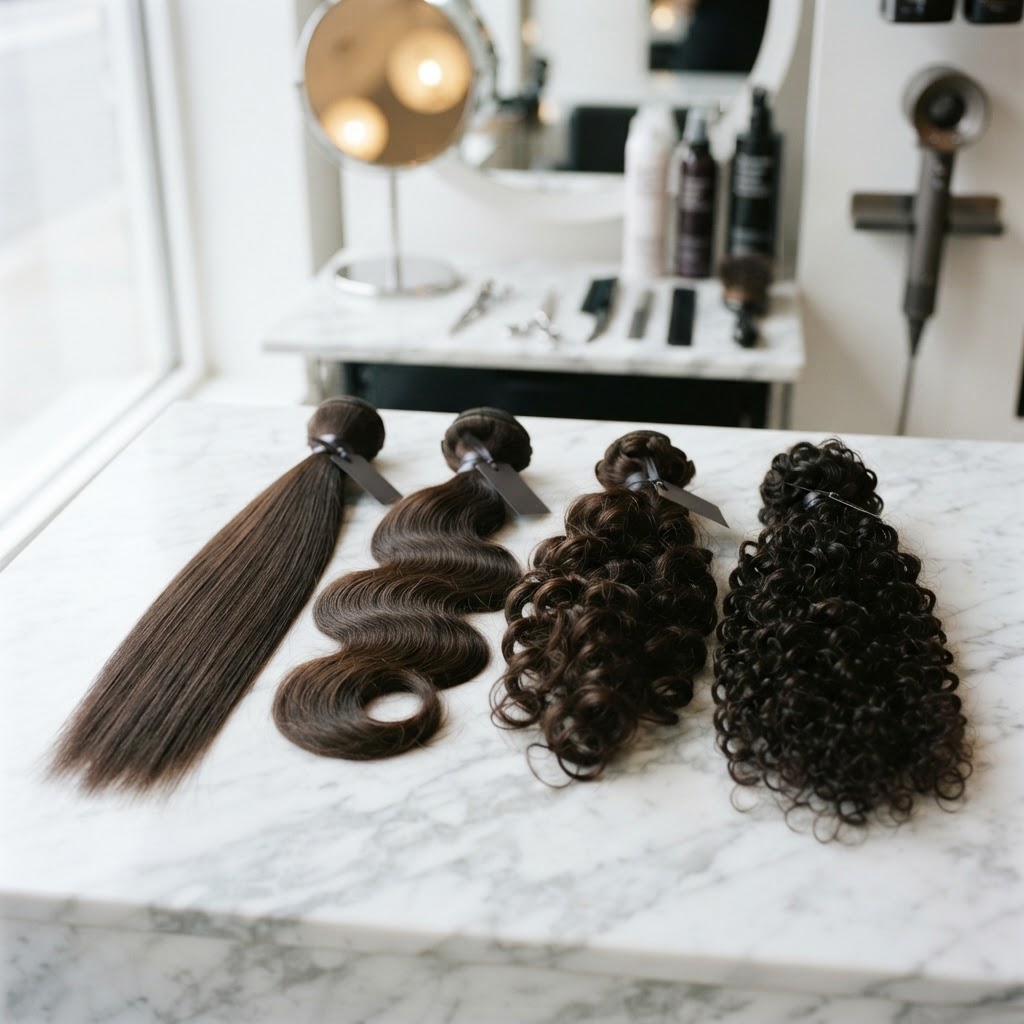
Investing in high-quality human hair products requires a clear understanding of your specific needs, ranging from texture preferences to cap construction types. Whether you are searching for versatile headband wigs or reliable bundles, finding the right match can significantly enhance your styling routine. Retailers like Klaiyi Hair (US) provide a robust inventory that caters to various styling requirements, making it a useful starting point for those looking to explore different hair solutions. Understanding the technical specifications of these products is the first step toward a successful purchase.
Evaluating Hair Quality and Texture
When browsing through a skin and hair care collection, the most critical factor is the origin and processing of the hair. Premium products often distinguish themselves through consistent cuticles and natural movement. When you analyze potential purchases, look for descriptions that clarify whether the hair is virgin, remy, or processed. Virgin hair, which has not been chemically altered, typically offers the most versatility for coloring and heat styling. If you are specifically looking for bundles, check for uniformity in the thickness from root to tip. A high-quality bundle should feel substantial without being weighed down by synthetic fillers, which can compromise the longevity of the style.
Texture is another vital consideration. From deep waves to bone-straight styles, your choice should align with your natural hair type or the specific look you wish to achieve. It is often helpful to read detailed product descriptions to see how a specific texture behaves after washing. If you are uncertain about which style suits your face shape or daily routine, reviewing a comprehensive guide on professional haircare can provide the foundational knowledge needed to make an informed decision.
Understanding Wig Construction
The internal structure of a wig dictates its comfort and realistic appearance. Lace front wigs are popular for the natural look they provide at the hairline, allowing for more flexible parting. When evaluating these options, examine the quality of the lace. It should be thin enough to blend seamlessly with your skin tone but durable enough to handle standard application processes. If you prefer convenience, headband wigs are an excellent alternative, as they require minimal effort to secure and provide a comfortable, breathable fit for daily use.
Beyond the cap construction, consider the density of the hair. Higher density wigs provide a fuller, more voluminous look, while lower density options often appear more natural for everyday wear. Always assess your personal tolerance for maintenance; full lace caps might offer the most styling freedom, but they often demand a higher level of precision during installation and care compared to standard cap constructions.
Maintaining Your Investment
Longevity depends heavily on how well you care for your hair additions. Regardless of where you purchase your items—whether at a specialty shop or through featured shopping segments—proper hydration is non-negotiable. Human hair lacks the natural oils provided by the scalp, meaning you must introduce moisture through high-quality detanglers, leave-in conditioners, and gentle cleansing agents. Avoid harsh chemicals that can strip the hair of its luster or cause tangling.
When drying your wigs or extensions, opt for air drying whenever possible to prevent heat damage. If you must use heat styling tools, ensure you apply a heat protectant spray beforehand. Regular detangling starting from the ends and working your way up to the roots will prevent unnecessary breakage. By establishing a consistent maintenance routine, you ensure that your hair pieces maintain their professional finish for as long as possible.
Smart Shopping Strategies
Before finalizing any purchase, it is wise to be strategic about your shopping approach. Reviewing the available deal links can help you see if there are opportunities to optimize your budget. Avoid common mistakes, such as failing to verify the length or weight of bundles before adding them to your cart. Take the time to measure your head size if you are purchasing a full wig to ensure a secure and comfortable fit. If you are new to this process, think of your purchase as a long-term investment in your grooming routine. Taking a methodical approach, rather than rushing into a selection, will almost always lead to better results and higher satisfaction with your final product.
Frequently asked questions
How do I determine the right wig density for my needs?
Wig density refers to how thick or thin the hair on the wig cap is. A lower density, around 130%, is usually ideal for a natural, everyday look, while higher densities of 180% or more are better for those who prefer a voluminous, glamorous style.
What is the primary difference between lace front and headband wigs?
Lace front wigs feature a sheer lace panel at the front, which allows for a realistic hairline and versatile parting options. Headband wigs replace the lace front with an attached headband, making them much faster to install and very beginner-friendly.
How often should I wash my human hair extensions?
You should wash your human hair extensions every 10 to 15 wears, or sooner if you notice significant product buildup. Always use sulfate-free shampoo and cool or lukewarm water to keep the hair hydrated and prevent tangling.
Can I heat style my human hair wig just like my natural hair?
Yes, high-quality human hair can be curled, straightened, and blow-dried. However, you must always use a heat protectant spray to prevent damage, and avoid using temperatures that are too high, as this can dry out the hair fibers over time.
Why is it important to choose virgin hair over other types?
Virgin hair is defined as hair that has not been chemically processed, dyed, or bleached. This makes it more durable and allows you the flexibility to dye or bleach the hair yourself without causing as much damage as you would with processed hair.


