
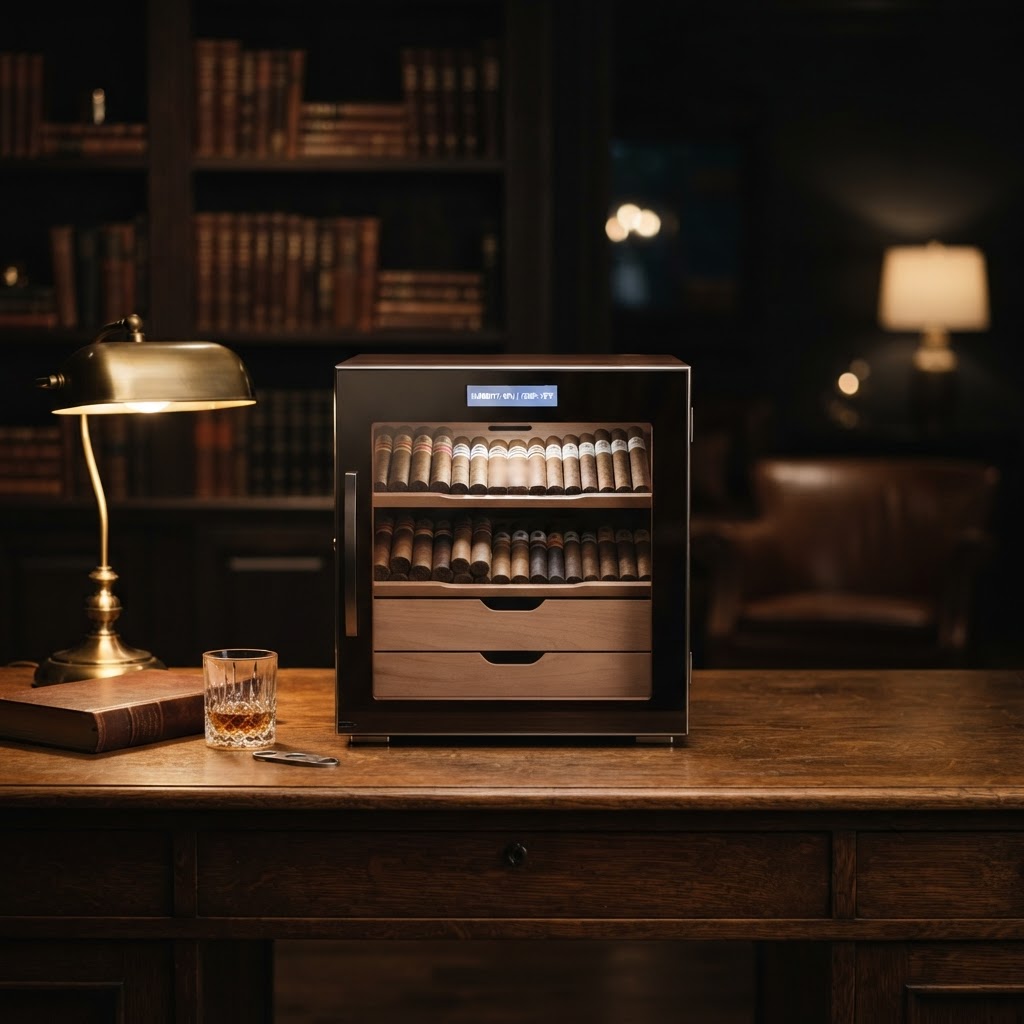
Understanding Your Storage Requirements
When you are looking to protect sensitive items such as cigars or high-end electronics that require specific environmental conditions, specialized storage units are essential. Many collectors turn to retailers like Needone Official to find appliances designed specifically to manage internal temperature and humidity. Before you make a purchase, you must clearly define what you are storing. Different items demand vastly different environments. For example, a cabinet designed for tobacco products needs a consistent relative humidity level to prevent drying out, whereas specialized electronics might prioritize dust filtration and temperature regulation to ensure long-term functionality.
Assessing the internal volume is your first practical step. Always calculate how many units you plan to store today, then add thirty percent to that number for future growth. A unit that is cramped will fail to maintain consistent airflow, which is critical for digital climate regulation. Look for shelving configurations that allow for modular adjustments, as this gives you the flexibility to adapt the interior space as your collection evolves.
Evaluating Technical Specifications and Build Quality
Once you have identified the appropriate size, focus your attention on the hardware specifications. The most critical component is the digital control interface. You want a unit that allows for precise, granular adjustments rather than simple high-low settings. Check if the device features a front-facing display that allows you to monitor conditions without opening the door, as frequent temperature spikes caused by opening the unit can stress your collection.
Build quality is equally important. Inspect the seals on the doors. A tight, airtight seal is the difference between a functional climate-controlled environment and a simple box. If you are browsing through various electronic gadgets, compare the insulation ratings provided in the technical specifications. High-quality insulation ensures the motor does not have to work constantly, which in turn reduces energy consumption and mechanical wear over time. If you find yourself overwhelmed by choices, you can explore featured collections to see which models are currently popular among enthusiasts.
The Importance of Airflow and Filtration
Internal air circulation is often overlooked by first-time buyers. You should look for units that feature built-in fans to distribute air evenly. Without proper circulation, you will experience "hot spots" or humidity pockets within the cabinet. If the unit includes built-in filtration, investigate how easy it is to source replacement parts or filters. You do not want to be locked into a system where the consumables are difficult to find or overly expensive to maintain. Always check the user manual excerpts if available to see how often these maintenance tasks need to be performed.
Comparing Models and Making an Informed Decision
It is wise to compare various units side-by-side rather than impulsively purchasing the first one you see. Look at the vibration levels if you are storing sensitive mechanical items. Some cooling systems produce vibrations that, over years, could potentially affect delicate internal parts of electronics or the structure of organic materials. If you are uncertain about the right fit, consider looking at other home technology resources such as our practical guide to smart home upgrades for inspiration on how integrated tech can enhance your living space.
Additionally, pay attention to the lighting systems used within the unit. LED lighting is generally preferred because it produces minimal heat. You want to showcase your collection, but never at the expense of the climate control stability. Once you have narrowed down your search, take a look at our curated list of deal links to see if your preferred model is part of a current promotion, which can help you allocate more of your budget toward higher-tier features rather than base models.
Ultimately, your satisfaction depends on how well the unit maintains its stated parameters over time. Read the documentation carefully to understand the noise level and operational requirements. By taking a methodical approach—measuring your space, vetting the technical specs, and comparing the build quality—you can ensure your investment remains secure for years to come. Whether you are browsing items at Needone Official or exploring other niche retailers, the best tool in your arsenal is patience. Verify the specifications, check the compatibility, and only proceed when you are confident the unit supports your collection's specific needs.
Frequently asked questions
What is the most important factor when buying a climate-controlled cabinet?
The most important factor is the precision of the digital control interface. You need a unit that allows you to set and maintain specific temperature and humidity levels consistently to protect your collection.
How often should I clean the interior of my storage unit?
While the frequency depends on usage, you should perform a wipe-down and inspect the seals every three to six months. Keeping the environment clean prevents mold and dust buildup, which protects your stored items.
Do I need to leave extra space inside the cabinet for airflow?
Yes, overcrowding a climate-controlled unit prevents air from circulating properly. You should always aim to keep the unit at approximately 70-80% capacity to ensure the internal environment remains stable and consistent.
What should I look for regarding door seals?
You should check that the gasket is made of high-quality, durable rubber or synthetic material that creates a tight, airtight seal. A poor seal will cause the compressor to run constantly, leading to mechanical wear and fluctuating internal conditions.
Why is LED lighting preferred for these cabinets?
LED lights are the industry standard because they emit virtually no heat. Traditional bulbs can raise the internal temperature of a cabinet, which would force the cooling system to overcompensate and potentially damage your climate-sensitive items.


