
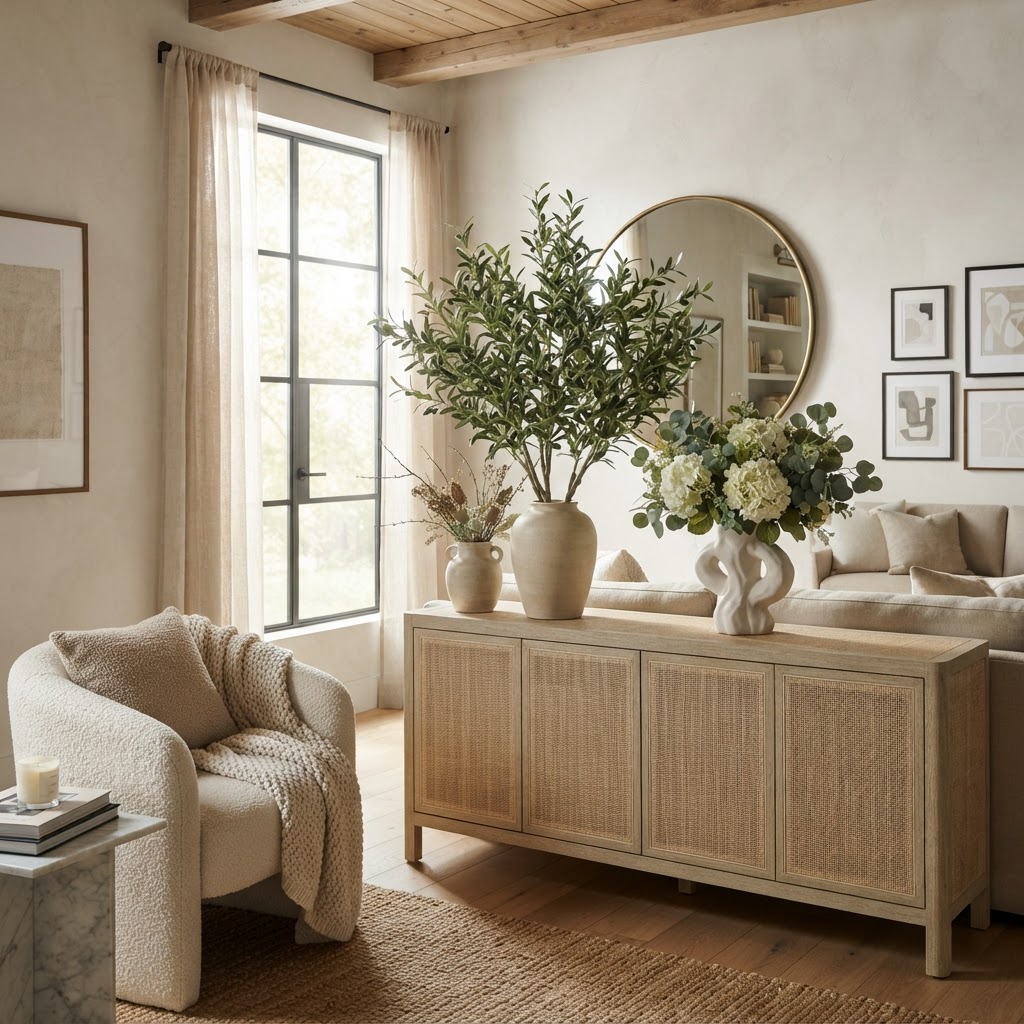
Investing in High-Quality Faux Florals and Greenery
Selecting artificial botanicals for your home or professional space requires more than just picking a color that matches your walls. Whether you are aiming to refresh a vacation rental or add permanent greenery to a windowless office, the goal is to find pieces that mimic the natural world without requiring maintenance. When browsing CG Hunter, you will encounter a wide variety of luxury faux flowers and plants that prioritize realism in both color and texture. Quality faux stems should feature subtle imperfections—like varied leaf sizes or realistic stem coloring—that prevent them from looking mass-produced.
Before you commit to a specific style, measure your intended space carefully. Artificial greenery, unlike live plants, will not grow or wilt. If you are placing a floor-standing plant in a corner, ensure you have accounted for the spread of the branches. A common mistake is choosing items that look beautiful in a catalog but overwhelm the scale of a room. For smaller surfaces, consider the home and garden staples that provide depth without clutter, such as single-stem faux blossoms or small potted succulents.
Evaluating Materials for Longevity and Realism
Material composition is the single most important factor in determining how your decor will age. Modern luxury faux plants are often crafted from high-grade silk, polyester blends, and specialized polymers that feel remarkably similar to real leaves and petals. When examining product descriptions, look for details regarding UV resistance, especially if the items will be placed near a sunny window. Fabrics that are not treated for light exposure can fade over time, turning vibrant greens into muted grays.
Construction quality matters just as much as the fabric type. Check the internal wire structure of the stems. High-quality pieces, such as those you might find through CG Hunter, usually feature bendable wires that allow you to shape the plant into a natural silhouette. Avoid stiff, unyielding stems that look synthetic when bent. If you are shopping for professional businesses, prioritize products that offer easy cleaning. Dust accumulation is inevitable; having the ability to wipe down a synthetic leaf or wash a petal without damaging the finish is a practical requirement for long-term use.
Seasonal Decor Strategy
Seasonal decor allows you to rotate the atmosphere of a room without investing in a complete furniture overhaul. The secret to a polished look is cohesion. Instead of buying individual holiday trinkets that clash, aim for a seasonal color palette that complements your existing permanent decor. For example, if your room features neutral tones, look for seasonal faux arrangements that use organic textures—think dried grasses or wood-toned accents—rather than neon plastics that may clash with your professional space.
For those who want to keep track of new collections or inventory changes, visiting curated deal lists can be a smart way to see what is trending in the market. Keeping an eye on what is currently popular helps you identify which styles are timeless versus those that may feel dated after a single season. Always check the item dimensions against your available shelving or mantel space to ensure the proportions are balanced. An overcrowded seasonal display can easily detract from the elegance of your interior.
Actionable Shopping Tips for Interior Enhancements
When purchasing decor online, always look for high-resolution images that show the product from multiple angles. If you are building a complex display, such as a floral centerpiece for a large dining table, consider ordering a mix of textures. Combining large-leaf foliage with delicate floral accents creates a layered look that feels more authentic than a uniform arrangement. This strategy is frequently recommended in a smart shopper’s guide to help you identify quality materials from standard, lower-tier alternatives.
Finally, remember that the presentation is just as important as the piece itself. A high-quality faux stem can look inexpensive if paired with a poorly matched vase. Invest in a variety of containers—such as ceramic, glass, or stone—to ground your botanical selections. If you are looking to save on these essentials, checking for current active promotional offers can help you allocate more of your budget toward premium foliage rather than the decorative housing, allowing you to achieve a sophisticated, designer look within your preferred price range.
Frequently asked questions
What is the best way to clean luxury faux flowers?
Most high-quality faux flowers can be cleaned by gently dusting them with a soft microfiber cloth or a feather duster. For more stubborn debris, a light blast of compressed air or a quick rinse with cool water usually suffices, provided the materials are not glued together with water-soluble adhesives.
How do I make artificial plants look more realistic?
The key is to spend time shaping the stems and branches immediately after unboxing. Bend them in ways that mimic natural growth patterns, ensuring the leaves are not perfectly symmetrical and that the plant has a slight, organic lean rather than standing perfectly straight.
Can I use faux plants in outdoor spaces?
Not all faux plants are designed for the outdoors. Check the product description specifically for UV-resistant ratings. Using standard indoor-rated artificial plants outside will likely result in rapid fading, brittleness, and damage due to sun exposure and moisture.
How do I choose the right size plant for a room?
Measure the height of your ceiling and the available floor space before purchasing. As a rule of thumb, floor plants should typically reach between two-thirds to three-quarters of the distance between the floor and the ceiling to maintain a proper visual scale.
Should I mix real and artificial plants?
Mixing real and faux plants is an excellent design strategy. Using faux plants for hard-to-reach areas or spots with poor lighting allows you to maintain greenery throughout your home without the maintenance requirements, while real plants can be kept in areas where you can easily provide water and sunlight.


