
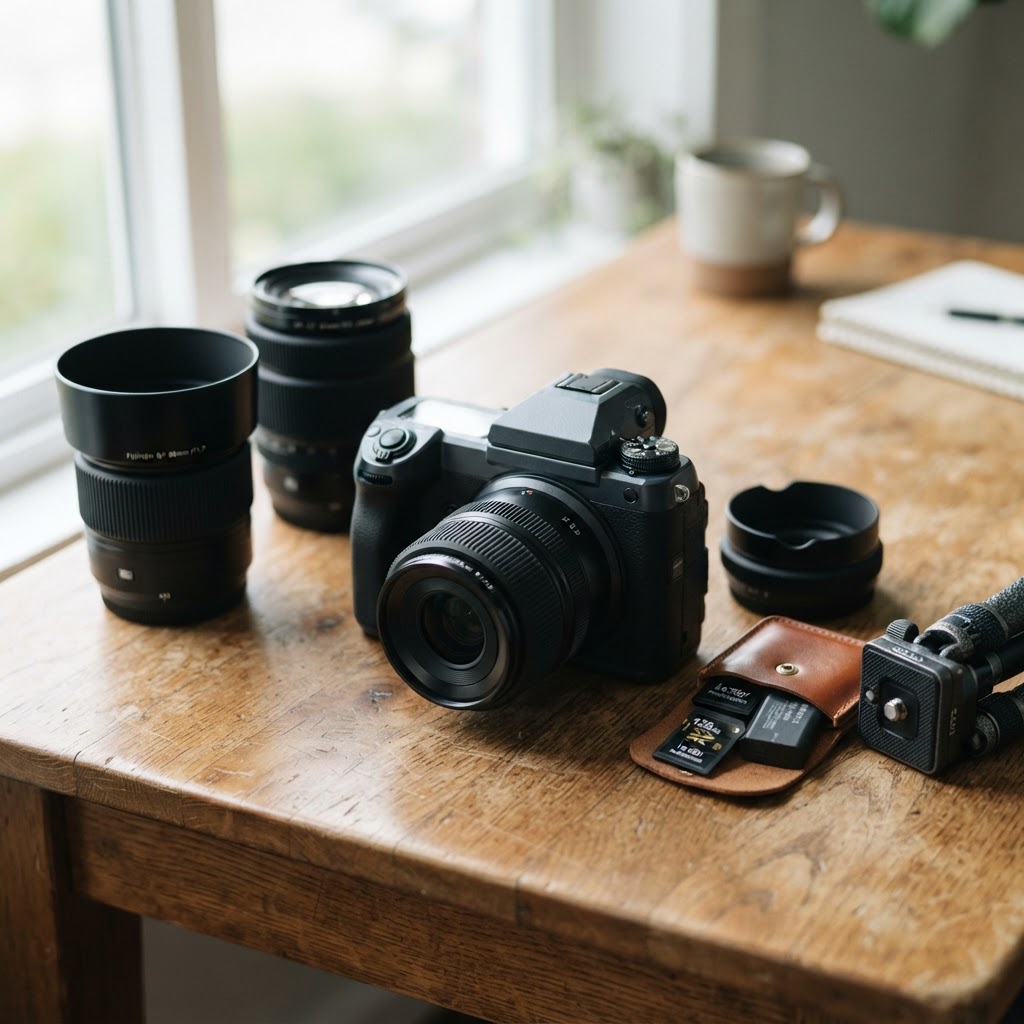
Defining Your Needs Before the Purchase
Entering the world of photography gear can be overwhelming, given the sheer volume of technical specifications available today. Whether you are upgrading from a smartphone to a dedicated mirrorless camera or expanding your current lens kit, the smartest strategy is to define your requirements before clicking buy. Determine if your primary focus is landscape, portrait, or action photography, as each discipline demands different strengths in sensor size and focal length. Avoid the temptation to purchase the latest body with every possible feature; instead, prioritize the specific functionalities that directly improve your workflow and artistic output.
When you start browsing, treat technical specifications as guidelines rather than absolute truth. Pay close attention to ergonomics and menu interfaces. A camera that feels natural in your hands will be used much more frequently than a complex system that frustrates you during a shoot. Research how specific accessories, such as steady tripods or specialized filters, integrate with your current setup. Compatibility is often the biggest hidden cost, so verify that your chosen brand or mount system offers a robust ecosystem of lenses before committing to a specific ecosystem.
The Importance of Researching Equipment Value
Reliable featured offers often surface for various photography items throughout the year, but the value is only as good as the utility of the product itself. When evaluating prices, break down the cost per use. A high-quality lens that lasts a decade is often a smarter financial decision than a cheaper alternative that may require a replacement within two years. Always look for objective reviews that focus on real-world testing rather than just marketing specifications. Look for recurring patterns in feedback regarding the build quality, autofocus speed, and weather resistance of the gear.
As you build your collection, consider that some retailers like Piscifun may carry peripheral equipment that serves your needs, even if they aren't traditional camera stores. Diversifying your search can reveal competitive pricing on bags, storage solutions, or specialized mounting hardware. Before finalizing your cart, always take a moment to look for active discount codes that might lower the total cost of your order. Small price adjustments through promotional codes can free up budget to invest in higher-quality glass or better stabilization tools.
Avoiding Common Purchasing Mistakes
One of the most frequent errors shoppers make is over-investing in a camera body while neglecting the quality of their lenses. Your images are captured through the lens, and even the most expensive sensor cannot compensate for poor optical clarity. It is standard practice among experienced photographers to allocate a larger portion of their budget toward high-quality optics rather than the newest camera body. A lens with a wide aperture will generally offer more creative flexibility than a minor upgrade to a camera’s internal processor.
Another common mistake is failing to account for long-term maintenance items. Factor in the cost of memory cards, cleaning kits, and reliable carrying solutions. Neglecting to protect your equipment often leads to premature failure or the need for expensive repairs. Just as you might consult a guide for wilderness gear to ensure survival, treat your camera as an essential tool that requires proper care and protection. Use durable, weather-sealed bags when transporting your kit to ensure that dust, moisture, and impact do not compromise your investment.
Optimizing Your Gear for Future Growth
Photography is a skill that evolves, and your gear should be able to scale with your growing capabilities. Seek out systems that offer a clear path for expansion. This might mean choosing a lens mount that is supported by both first-party and third-party manufacturers, which gives you more choices and price points as you seek to add new focal lengths to your bag. Remember that you do not need to purchase everything at once. A disciplined approach to acquiring one lens at a time, based on actual shooting requirements, prevents clutter and unnecessary spending.
Finally, always keep an eye on market trends to time your purchases effectively. While it is impossible to predict every price fluctuation, waiting for seasonal sales or manufacturer rebates can significantly impact your budget. By maintaining a list of your most wanted upgrades, you can act quickly when you see a genuine deal that aligns with your specific needs. Balancing your immediate desires with long-term goals is the key to curating a photography collection that serves you well for years to come.
Frequently asked questions
Is it better to buy a new camera body or a better lens first?
In most cases, investing in a high-quality lens is more beneficial. Lenses have a greater impact on image quality, sharpness, and bokeh than the camera body itself, and they tend to hold their value longer.
How do I know if a piece of gear is compatible with my current setup?
Always check the mount type for lenses and the sensor size of the camera. Manufacturers list these specifications clearly, and verifying this ensures that your new equipment will attach and function correctly without the need for potentially problematic adapters.
What is the most important accessory to buy alongside a camera?
A sturdy tripod and a reliable, high-speed memory card are essential. Stabilization is critical for sharp images in low light, and high-speed storage ensures your camera can write data fast enough during burst shooting or video capture.
Should I purchase gear based on the latest features or price?
You should prioritize the features that directly assist your specific shooting style. Buying the latest tech often means paying for features you may never use, so focus on ergonomics, build quality, and essential technical capabilities instead.
How often should I clean my camera equipment?
Perform basic cleaning, like using a blower on your lens and sensor, whenever you notice dust particles in your images. Deep cleaning and service intervals vary by usage, but keeping your gear stored in a dry, dust-free environment helps reduce the frequency of professional cleaning.


