
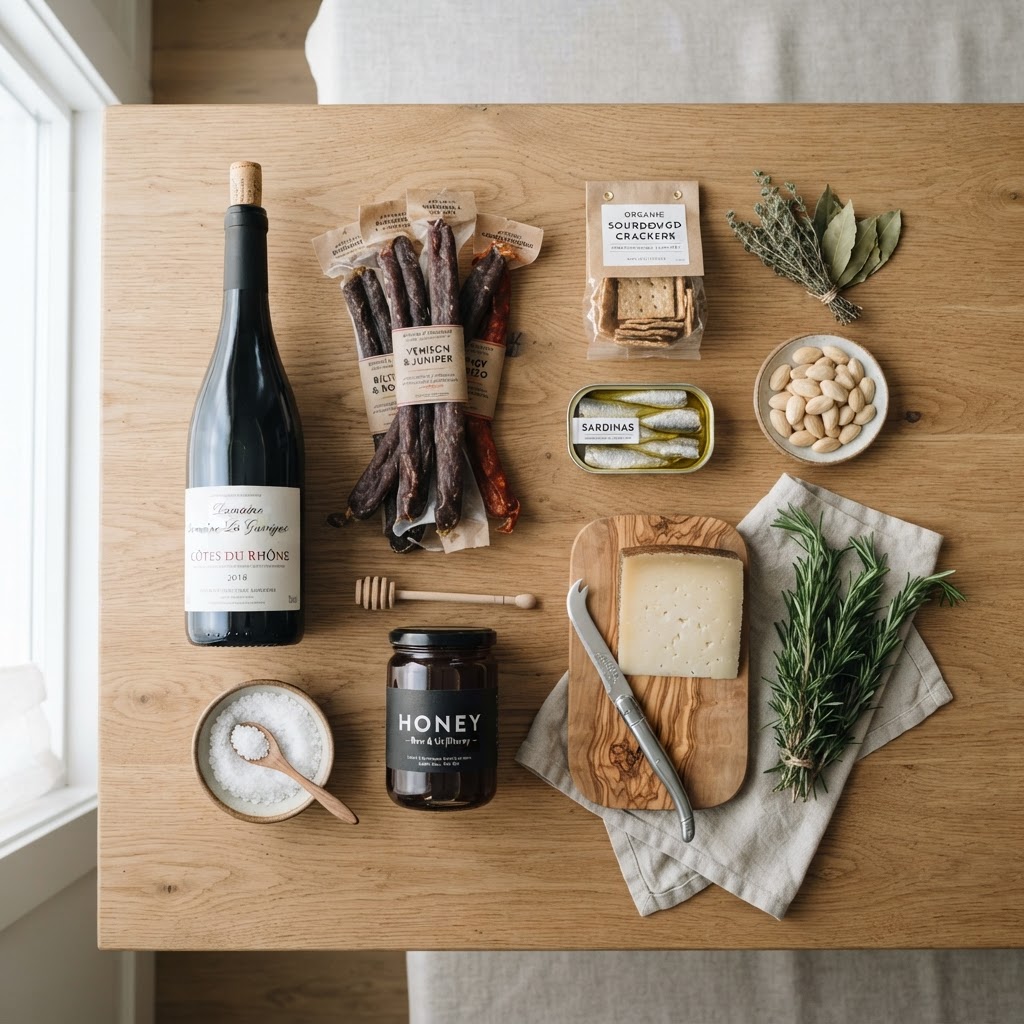
Navigating the Modern Digital Grocery Landscape
Shopping for consumables online has transformed from a niche convenience to a standard way to manage a pantry. Whether you are hunting for high-quality pantry staples or searching for specific gifts for the food enthusiast in your life, the digital marketplace offers unparalleled access to specialty items that are rarely found on local supermarket shelves. Success in this category, however, depends on your ability to evaluate product quality and shelf life before clicking the purchase button.
When you start browsing for items like specialty meat bars or soup mixes, your priority should always be ingredient transparency. Unlike shopping in person, where you can flip a box to read the nutrition label, online shopping requires you to rely on detailed product descriptions. Look for retailers that provide a full list of ingredients and, where possible, images of the packaging itself. If a site obscures its ingredient list, proceed with caution. Genuine quality is usually reflected in clear, concise labeling.
Evaluating Specialty Beverages and Gifts
One of the most rewarding aspects of buying food and drink online is the ease of sourcing unique beverage gifts. If you are browsing for options like those at fine wine retailers, focus on the occasion rather than just the label. A quality host gift often balances presentation with a narrative—look for detailed tasting notes and pairing suggestions provided on the product page. These details act as a proxy for the actual experience of sipping the drink.
When gifting beverages, always check the shipping restrictions early in the checkout process. Many regions have specific rules regarding alcohol delivery that might impact lead times. By staying aware of these logistics, you can ensure that your gifts arrive in time for your planned event, avoiding the stress of last-minute changes.
Mastering the Art of Pantry Stocking
Buying in bulk or stocking up on essential kitchen inventory can be a smart way to streamline your weekly routine. However, the most common mistake shoppers make is purchasing too much of a perishable item. Before you finalize a large order of specialty snacks or dry goods, calculate your actual consumption rate. Ask yourself if you have the dedicated climate-controlled space to store these items properly. For example, temperature-sensitive storage is vital for items often managed by brands like specialized cooler and humidor retailers, which highlight the importance of environment control for sensitive products.
Always verify the expected shelf life. If you are buying a product that you only use occasionally, a shorter expiration date might result in waste. Instead, look for items that serve dual purposes, such as versatile cooking bases or snacks that can be used in multiple recipes, to ensure your investment doesn't sit unused in the back of your cupboard.
How to Find Consistent Value
Finding value in the food and drink category requires a proactive approach to shopping. Instead of relying solely on impulse buys, organize your shopping list by priority and watch for trends in your favorite stores. Many shoppers find success by exploring curated selections that highlight seasonal goods or new arrivals. This helps you avoid the fatigue of scrolling through endless lists of inventory and keeps your pantry focused on items you will actually enjoy.
Consider subscribing to newsletters or checking for active promotions before you commit to a purchase. While price is a factor, don't let a low discount lead you to buy products that don't fit your dietary needs or preferences. The goal is to find the intersection of quality and cost. Use tools like verified promotional codes to ensure you are getting the best possible price on items you were already planning to buy. This prevents the pitfall of spending more than intended on "deals" that don't provide actual utility for your household.
Finally, always read the return or exchange policy for food items. While most retailers will not accept returns for opened food, many have clear guidelines for damaged items or shipping errors. Knowing these terms before you place an order gives you peace of mind and protects your budget if a shipment is compromised during transit. A well-prepared shopper turns the digital grocery store into a powerful tool for maintaining a well-stocked and diverse pantry throughout the year.
Frequently asked questions
How can I verify the quality of food items before buying them online?
Always prioritize retailers that provide full ingredient lists and high-resolution images of the labels. Reading the product description for sourcing information or certifications can also provide insight into the product's quality.
What is the best way to handle shipping for liquid items like wine?
Check the retailer's shipping policy specifically for fragile or restricted goods. Ensure someone of legal age is available to sign for the delivery if the courier requires it, and look for shipping windows that avoid extreme weather conditions.
Should I buy food in bulk online?
Bulk buying is excellent for shelf-stable pantry staples, but be cautious with perishable goods. Ensure you have adequate storage space and consider the expiration dates to avoid product waste.
What should I do if a food delivery arrives damaged?
Contact the retailer's customer support immediately with photos of the damaged items and the packaging. Most reputable companies will offer a replacement or a refund for items that were compromised during the shipping process.
How do I find the best deals on specialty groceries?
Check for featured deals on coupon sites and sign up for store newsletters to receive alerts on new arrivals or seasonal promotions. Focus on buying items you regularly use to maximize the value of any available discounts.


