
Assessing Your Functional Needs for Window Treatments
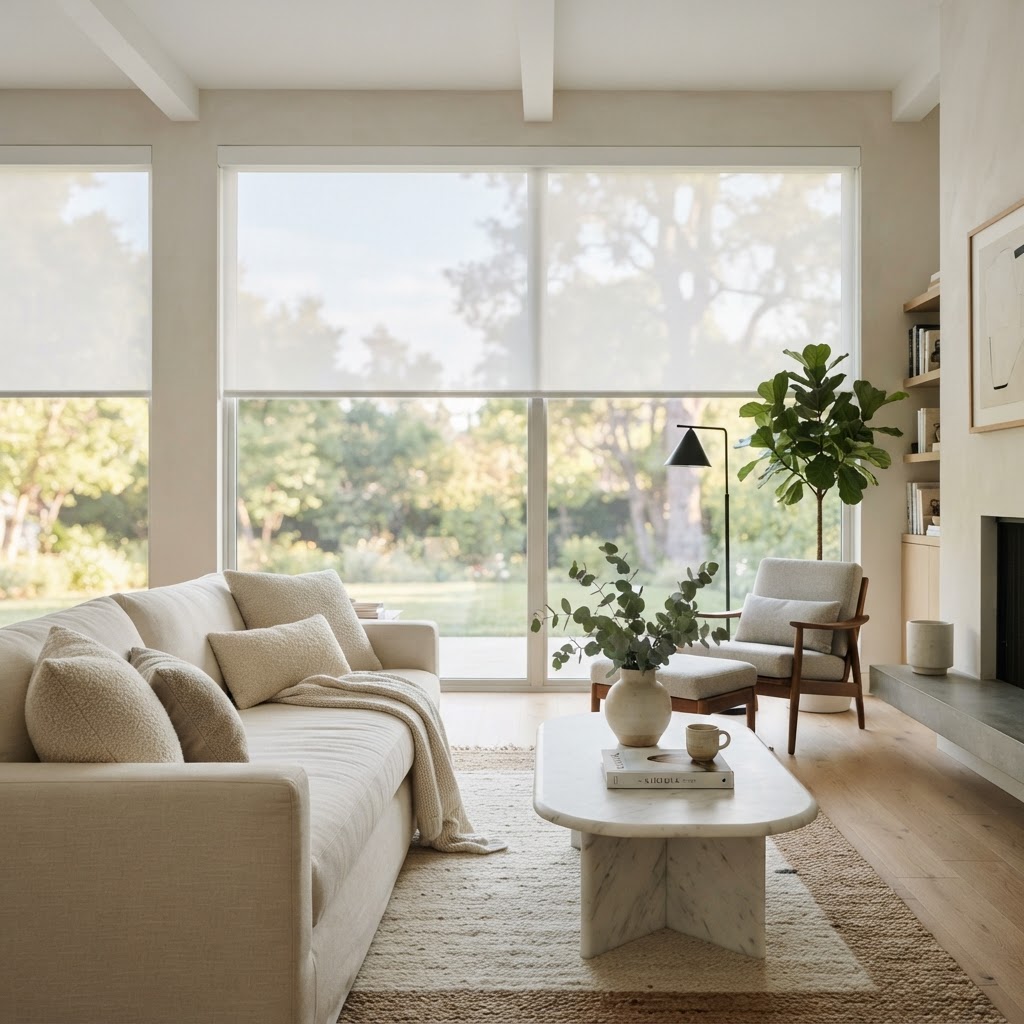
Selecting the right window coverings is more than a matter of aesthetics; it is a critical decision that affects the temperature control, privacy, and natural lighting of your home. When exploring options at Persilux US, the first step is to categorize exactly what you need each room to accomplish. A bedroom requires total light blockage for sleep hygiene, making cellular or blackout roller shades an ideal choice. In contrast, a living area often benefits from zebra shades, which offer a versatile balance between letting in ambient light and maintaining privacy from the street.
Before committing to a specific style, measure your window frames with precision. Most retailers, including those found in our broader home and garden collection, require precise measurements to ensure a custom fit. A common mistake homeowners make is assuming standard window sizes are universal. Always measure the width and height at three different points—top, middle, and bottom—to account for any slight inconsistencies in the wall construction. This attention to detail prevents light gaps that can ruin the look and efficiency of custom-made treatments.
Understanding Material Durability and Light Control
Material selection is the most significant factor in the long-term satisfaction of your purchase. For high-traffic areas like kitchens or bathrooms, you must prioritize moisture-resistant materials. Faux wood or specialized synthetic roller fabrics handle humidity far better than natural fabrics, which may warp or mildew over time. When browsing, look for transparency ratings. A sheer fabric will diffuse harsh sunlight, reducing glare on television screens, while heavier, woven textures provide a richer, more architectural feel to a formal dining room or study.
Beyond the look, consider the thermal properties of the material. In regions with harsh winters or scorching summers, cellular shades are highly effective. Their honeycomb structure creates air pockets that act as a thermal barrier, helping to maintain indoor climate consistency. This small investment in fabric technology can lead to noticeable improvements in energy efficiency. For more technical advice on choosing quality home finishes, you can explore our guide to selecting outdoor storage solutions, which mirrors the importance of checking material durability before buying.
Integrating Smart Motorization for Daily Convenience
The modern home is increasingly defined by its connectivity. Motorized window treatments offer a level of convenience that manual pull-cords cannot match, particularly for large windows or hard-to-reach skylights. When integrating these devices into your smart home ecosystem, verify compatibility with your existing hubs. The ability to set schedules—such as opening the blinds automatically at sunrise or closing them during the hottest part of the day—is a game-changer for home automation enthusiasts.
If you are new to the world of motorized home upgrades, consider the ecosystem you are currently using. Some systems integrate seamlessly with voice assistants, while others rely on dedicated apps or remote controls. Regardless of the technology, the primary goal should be ease of use. Always verify that the motorization hardware is robust and quiet. A high-quality motor should operate with a smooth, silent hum, never a grinding noise. For those looking for broader deals on smart home tech, you might find useful savings through our featured deal section which highlights top-rated brands and items.
Refining Your Final Selection
Once you have decided on material, functionality, and technology, the final step is coordinating colors with your existing palette. A common design pitfall is choosing a shade color that matches the wall color too closely. While this can make a room look larger, it can also create a flat, monotonous aesthetic. Instead, consider shades that act as a neutral anchor, such as soft grays, creams, or wood tones, to add depth to your decor.
If you find the process of upgrading your home environment overwhelming, take a moment to review our latest resources. You can search through our curated deal links to see if your preferred retailers currently have promotional pricing available to help offset the cost of your upgrades. By breaking your purchase down into material, function, and style, you ensure that the end result is a durable, beautiful addition to your home that will serve your household needs for years to come.
Frequently asked questions
How do I choose between cellular and roller shades?
Cellular shades are best for thermal insulation and noise reduction due to their honeycomb design. Roller shades are a minimalist option that offers clean lines and excellent light control, making them perfect for modern, uncluttered spaces.
Are motorized shades difficult to install?
Most modern motorized shades are designed for straightforward installation. However, you should ensure you have a clear path to a power source or choose a battery-operated model to avoid complex hardwiring if you are not comfortable with electrical work.
Why is measuring at three different points necessary?
Windows are rarely perfectly square. Measuring at the top, middle, and bottom allows you to identify the smallest dimension, ensuring that your custom-made shade will fit into the frame without binding or leaving unsightly light gaps.
How can I tell if a fabric is right for a kitchen?
For kitchens, look for moisture-resistant and flame-retardant materials. Synthetic fabrics or specifically treated textiles are ideal because they can be easily wiped down if grease or food particles splatter on them.
Do I need a smart home hub to use motorized shades?
It depends on the product. While many motorized systems come with dedicated remote controls that work independently, connecting them to a smart home hub is required if you want to use voice commands or schedule automations via an app.


