
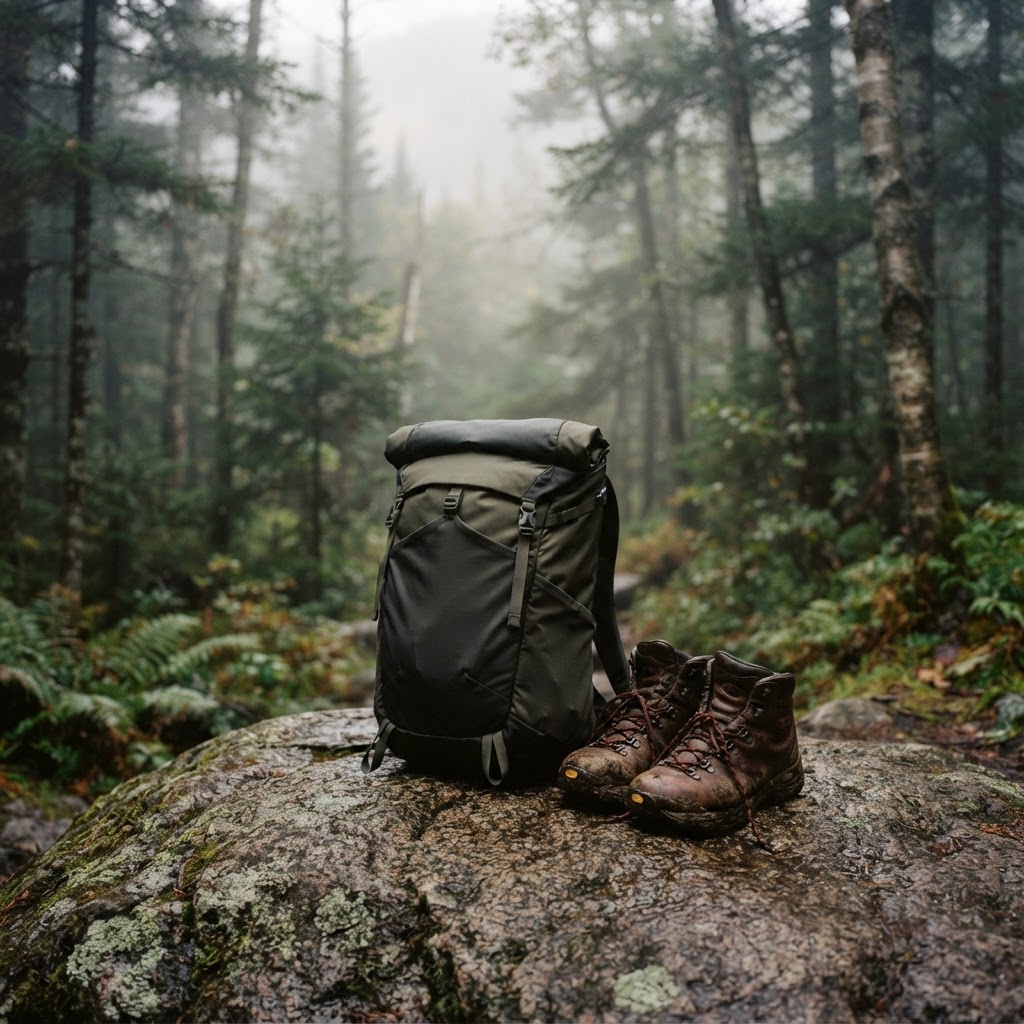
Navigating the Outdoor Gear Market
Selecting the right equipment for outdoor pursuits requires a balance between functionality, durability, and cost. Whether you are planning a weekend camping trip or a technical hiking expedition, the quality of your gear directly impacts your comfort and safety. To make informed decisions, it is essential to look beyond the surface-level marketing of various brands and focus on the technical specifications that actually matter for your specific terrain and climate. Start your search by browsing our comprehensive outdoor adventure category to understand the breadth of available options.
The first step in any strategic shopping plan is to define the specific requirements of your activity. A lightweight jacket designed for summer hiking will not serve the same purpose as specialized apparel intended for cold-weather excursions. Before making a purchase, evaluate the materials used in construction. Look for indicators like abrasion-resistant fabrics for trousers or waterproof ratings for outerwear. These details distinguish gear that will last for years from items that may fail after a single season of use.
Evaluating Value and Utility
When shopping for gear, it is easy to become overwhelmed by the number of retailers and price points. Focus on the cost-per-use metric. A higher initial investment in a durable tent or a pair of high-traction boots is often more economical in the long run than purchasing cheaper alternatives that need frequent replacement. If you are looking for ways to lower your total expenditure without compromising on quality, explore current coupon codes to see if you can apply a reduction to your necessary equipment list.
Compare competing products by examining their intended use cases. If a manufacturer highlights specific technical features, such as reinforced seams or specialized insulation, cross-reference these with your planned environment. For example, when comparing hunting or specialized outdoor clothing found at retailers like TideWe, consider the weight, breathability, and range of motion the item provides. If you are shopping for items intended for travel or international adventure, such as those found at Xcaret Global, factor in the portability and versatility of the items as well.
Strategic Shopping Tactics
One common mistake is purchasing an entire set of gear at once. This often leads to buying items that do not fit correctly or serve your specific needs. Instead, build your collection gradually. Test your most critical items—like your boots, navigation tools, or sleeping system—before relying on them in remote conditions. Always research the primary purpose of an item and read manufacturer specifications carefully to avoid purchasing gear that is over-engineered or under-powered for your goals.
Consider the timing of your purchases. Many outdoor retailers rotate their stock seasonally. Transitioning from winter to spring or summer to autumn often creates windows where previous-season inventory is shifted to make room for new arrivals. Staying updated through featured deals can help you stay aware of these shifts. However, do not let a temporary discount pressure you into buying something that does not meet your specific requirements. The most expensive item is the one that sits unused in a closet because it wasn't the right fit for your activities.
Maintaining Your Investment
Proper maintenance is an often-overlooked aspect of outdoor gear ownership. Once you have sourced your equipment, establish a cleaning and storage routine. Technical fabrics, for example, often require specific laundering instructions to maintain their water-repellent properties. Store gear in a cool, dry place away from direct sunlight to prevent material degradation. By treating your gear with care, you extend its lifespan and ensure it remains reliable for future adventures. This proactive approach is similar to the care required for other specialized equipment, such as when you are selecting musical instruments or other high-precision tools, where the initial quality and subsequent upkeep determine the longevity of the investment.
Finally, always verify the technical specs against your physical needs. If an item claims to be waterproof, check for details regarding seam taping or zipper types. If a pack claims to be ergonomic, look for details on the suspension system and weight distribution. By focusing on these concrete indicators, you can build a reliable kit that supports your outdoor goals. Keep a running list of what is missing from your setup and fill those gaps methodically. This ensures that every piece of gear you own has a purpose and performs as expected when you are finally out in the field.
Frequently asked questions
How should I prioritize my spending on outdoor gear?
Prioritize items that directly impact your safety and comfort, such as footwear, shelters, and navigation tools. These are the pieces of equipment you should invest in first, focusing on durability and technical performance over aesthetic features.
What is the best way to determine if a piece of gear is durable?
Look at the material specifications, such as denier ratings for fabrics, the type of hardware used, and construction techniques like reinforced stitching. Checking technical manuals or product documentation often provides more reliable data than subjective marketing claims.
Is it better to buy gear in sets or as individual items?
Building your collection piece-by-piece is generally better. It allows you to test individual components, ensure they meet your specific needs, and avoids the common issue of buying bundled items that you may not actually need for your specific style of adventure.
How do I know if I am getting a good deal on outdoor equipment?
A good deal is defined by the value of the product relative to its performance and longevity. Check for seasonal rotations at reputable retailers and compare technical features across multiple brands to ensure you are paying for the quality you need, not just the brand name.
How can I make my outdoor gear last longer?
Strictly follow the manufacturer's cleaning and maintenance guidelines. Proper storage—keeping items clean, dry, and out of direct sunlight—is crucial to preventing the degradation of technical materials and structural components.


